Are Concerts In India Becoming Louder But Less Meaningful?
From the thrill of live performances to the chaos behind ticket sales — our concert culture is evolving, but are we losing control?
481,600. That’s the number of people who were ahead of me in queue to buy tickets for Coldplay's recently-announced Ahmedabad show. Sounds unreal, right? And yet, I am oddly satisfied. Not because I got the tickets (spoiler alert: I didn't), but this number was less than 800,000+ people ahead of me in September when I tried to get tickets for their show in Mumbai.
Welcome to the wild new world of concert culture in India, where tickets feel like winning the lottery, and the odds are certainly not stacked in your favour.
There is an almost surreal transformation of the way we now consume live music. Something's changing, and it's not just ticket prices. According to Market Brew, India’s ticket revenue market is worth a staggering ₹15,347 crore, split across cinema, music, and sports. Music events are thriving, growing at an impressive 20% year-on-year between 2017 and 2024. Today, just the music event segment alone is worth ₹1,864 crore.
Concert culture in India has transmuted from a treasured ritual to a trend-driven social activity where the search for validation through Instagram has taken precedence over love for the music itself.
The Pandemic Pause and Its Aftermath
The COVID-19 pandemic cast so many artists as well as fans in limbo. Venues shut down, concerts were postponed or cancelled. The moment things started opening, fans’ excitement spiralled out of control. Ticket sales went through the roof during the first wave of post-lockdown concerts. India hosted as many as 26,359 live events in 2023 alone, according to BookMyShow.
There are however no movements without controversies. According to Statista, the number of users in the Music Events market is expected to increase up to 21.9 million by 2028; proof that the hunger for shared real-time music experiences is already on the rise. With each season of concerts, there is an avalanche of ticket sales and a sea of casual attendees eager to join the fray, often more interested in avoiding FOMO than in appreciating any artistry on stage.
The latest sign that things are falling apart was the entire fiasco around the ticket sales for the Coldplay concert (scheduled for January 2025). As fans ended up in ‘long’ queues online in a desperate bid to try and get themselves tickets, secondary markets like Viagogo were offering the same at a princely sum, ranging from thousands to lakhs and sometimes even 500 times the original value. And angry fans led to a wave of legal complaints against BookMyShow.
The Global Comparison
Interestingly, this isn't a problem only limited to India. Recently, Oasis was in the headlines for planning to cancel nearly 50,000 tickets sold on secondary markets for their reunion shows, showing their intent to address ticket scalping and resale problems. If this can happen in the UK, where concert culture has been in place for some decades, why not in India?
When Hype Meets Disappointment
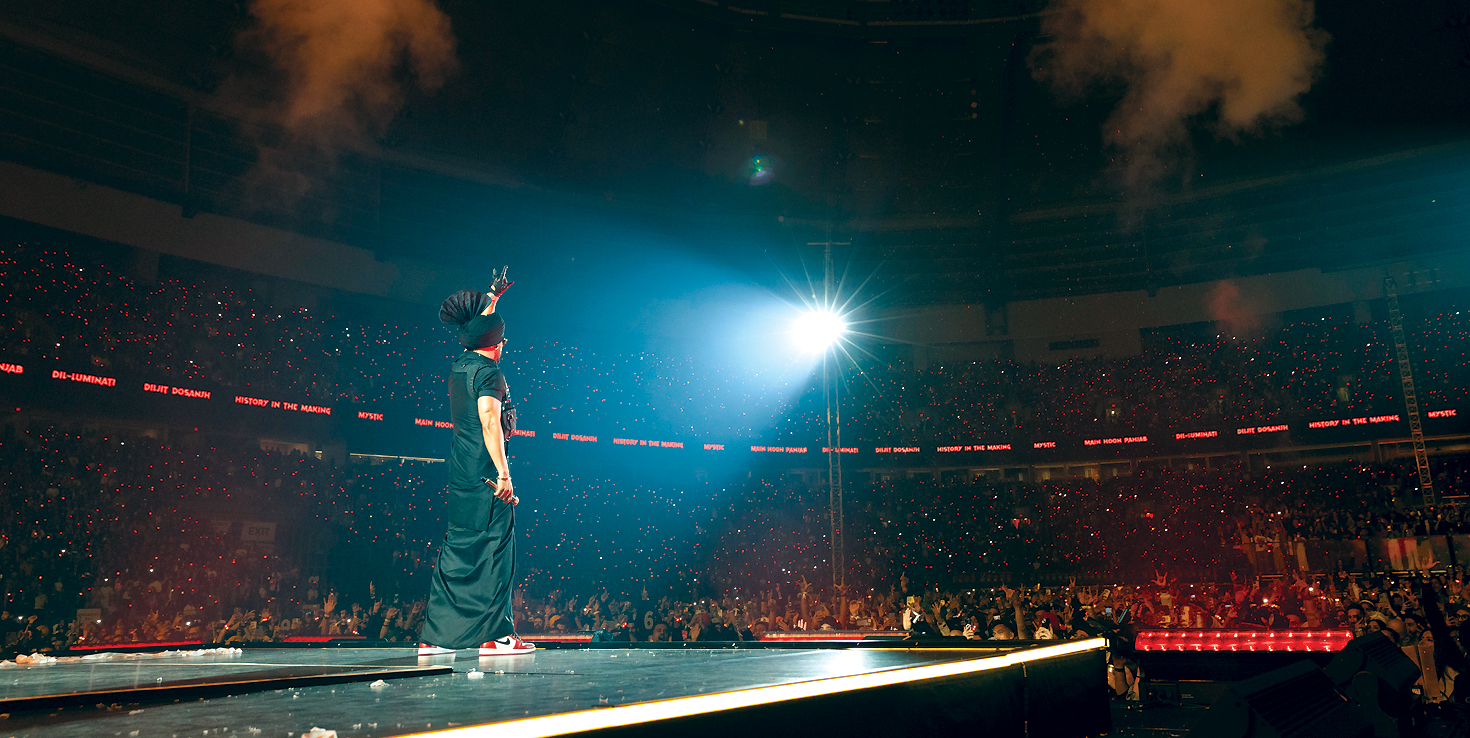
Take a look at Diljit Dosanjh's Di-lluminati India tour, one of the most awaited events in the Indian concert calendar. Tickets for the India leg of the tour sold out in minutes, with the official platform reporting values as high as 25,000 rupees before it jumped into the lakhs in the black market resellers. However, there were controversies galore. Mumbai-based comedian and social media influencer Saumya Sahni posted a video reacting to the sky-high prices of the tickets, in which she said Diljit Dosanjh had no right to charge his Indian fans so much, since most of his fans 'have no money or are unemployed'. The Enforcement Directorate also detected suspected irregularities after it carried out a raid in the money laundering probe into "black marketing" of tickets for concerts by Dosanjh (and Coldplay).
Things weren’t all hunky dory after, either. A slew of complaints from fans followed - sanitation problems, expensive prices, parking hassles. Many even remarked that their experience was not worth the price they paid.
The Illusion of Choice: Social Media and FOMO
Then there’s the issue of our relentless desire to ‘live it up’ online.
Social media has become an integral part of shaping the concert experiences we have today. And of course, with great demand comes absolute chaos. Today's Indian concert scene is a melting pot of fandoms, each more ardent and competitive than the other. Platforms like Instagram and Twitter have become digital galleries where concert-goers show their attendance experience, curating an image of a perfect night out. In the frenzied quest to capture and share these adventures, enjoyment of music takes the backstage. It has shifted the dialogue from "I love this music" to "I need to be seen at this event."
Certainly, Coldplay's sold-out shows were a bloodbath, but let's not forget the absolute hysteria over Arijit Singh tickets earlier this year. Some of my friends spent half their salaries to book seats only to end up crying through half the setlist, assuring me in garrulous whispers that they were "totally worth it".
But it's not just the fans who are feeling the shift. Ankit Singh, a regular music concert organizer, sheds light on how the landscape has evolved from the perspective of those behind the scenes. "It’s frustrating to see so many fans more interested in their Instagram feed than the actual event. We put in all this effort to make it an amazing experience, and it feels like people just want a backdrop for their content. It’s hard to tell if they even care about the music anymore."
This reckless culture of FOMO has spawned a mob of casual attendees who are more interested in projecting an image of being "in the know" than really connecting with the music. As per the statistics from a YouGov survey, 55 percent of regular concertgoers believe that this rise in nonregular concert attendees has had an adverse effect on the experience, making it seem less authentic.
Scams and Disillusionment: A Dark Side to the Boom
There’s also the issue of scams and concert frauds that’s increasingly plaguing the booming concert culture in the country. Last year, the famous case of SPXCEJXM, which included international acts like Kodaline, left most disappointed fans disillusioned. Further, the news about 21 Savage headlining the 2024 Indian Sneaker Festival proved to be false, with the rapper's manager issuing a clarification on Instagram.
The Elephant in the Room
There’s really no denying that concerts in India are getting ridiculously expensive. It's a game of supply and demand, yes, and international artists have logistics as well as production issues to consider. But when you're being asked for ₹5,000 for nosebleed seats to watch Coldplay, you know there's a problem. Add to that travel costs (because these shows almost always happen in Mumbai, Delhi, Pune or Bangalore), and suddenly concerts feel more like a luxury than an experience for the masses.
While it's great to see more-and-more artists looking at India as a preferred destination for their concerts, it's equally important to question whether this culture is becoming exclusionary.
So yeah, while Coldplay and Diljit tickets might remain a far-off dream for me (and half the country), it's rather evident that India's concert scene is well and truly thriving, even if it comes at the cost of chaos and high costs.
Maybe one day the madness will settle, and concerts will be about the music once again, not mayhem. Till then, here’s to clicking refresh over and over again, in the hopes of finally nabbing a ticket or two.