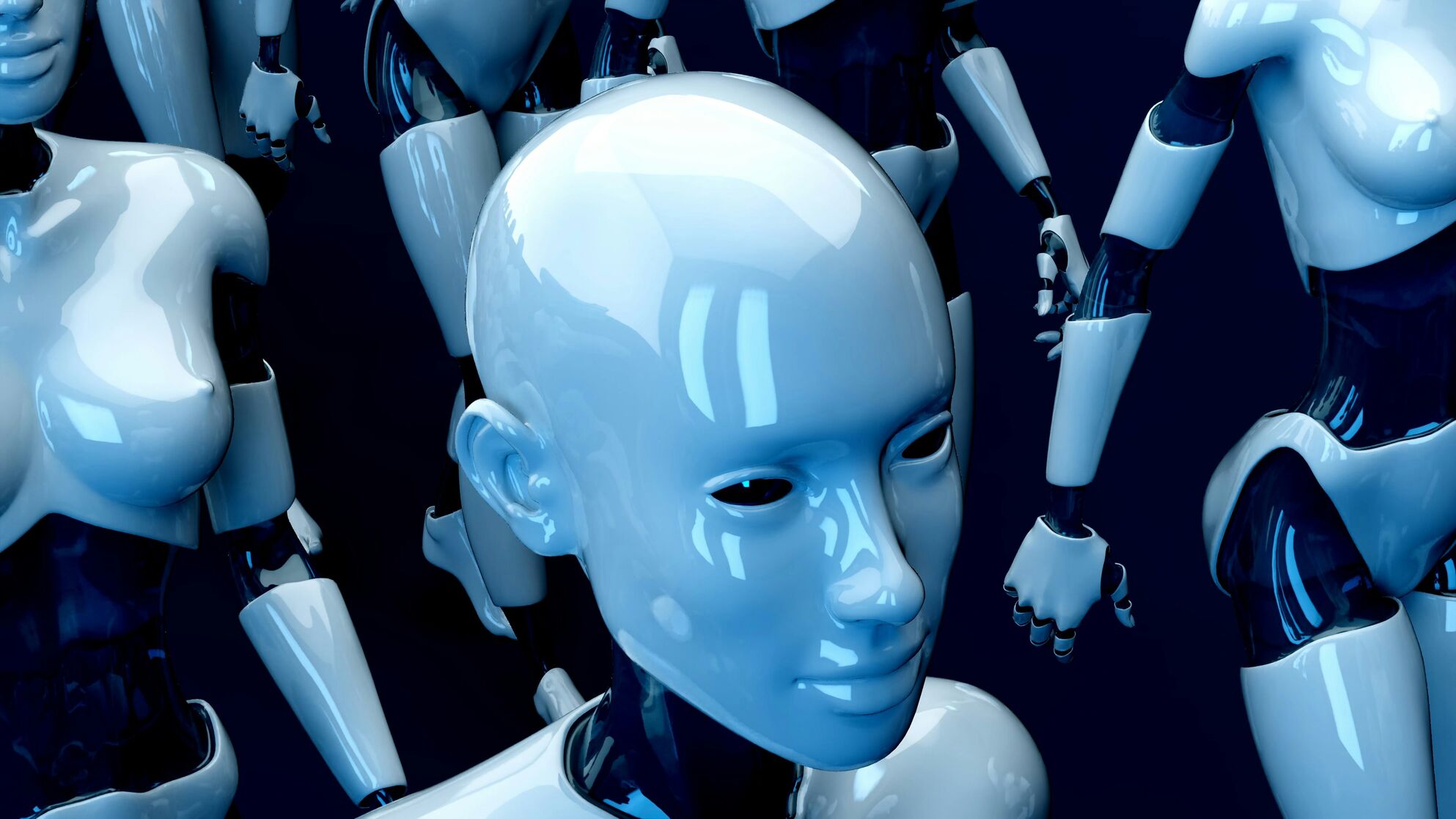
Albania Just Appointed the World’s First AI Minister Diella
What's about to happen to governance now?
This morning in Tirana, under the high sun and the weight of history, Albanian Prime Minister Edi Rama has introduced the world’s first artificial intelligence “minister.” Her name is Diella meaning sun in Albanian and her mandate is as radical as it is futuristic: make government corruption disappear.
Let that sink in.
Of course this is not some drill or a scene from an apocalyptic film or even some whitepaper from a Davos-bound think tank. This is official government policy, in real time. A digitally rendered, non-human entity has just been given ministerial-level power in a European state.
And her job? To oversee every public procurement decision, ensuring that not a single lek, euro, or whisper of favoritism passes through the system.
The Minister with No Hands to Shake
So far, Diella does not walk the halls of power. She doesn’t sit through cabinet meetings or endure the hot lights of a press scrum. She certainly won’t appear at ribbon cuttings, nor stand awkwardly beside ambassadors at state dinners. She’s never even seen the inside of a building. In the future? Most probably not.
And yet, she now holds one of the most critical levers of power in the Albanian government.
Rama, speaking at a Socialist Party conference just hours ago, has positioned her as a game-changer rejecting the narrative around creation of a gimmick. Diella, he says, will be the “servant of public procurement”, a disembodied uncorruptible, endlessly efficient decision-maker. (Read that line twice).
Prime Minister Rama said that Diella will manage all decisions related to public tenders, ensuring they are "100 per cent corruption-free and every public fund submitted to the tender procedure will be perfectly transparent".
The European country that for long has been haunted by scandals, kickbacks, and poverty the attempt with the use of tech advancements seems to be that if humans can’t fix the system, maybe code can. The AI minister has been quietly embedded in e-Albania since January as the country’s sprawling online portal handles 95 per cent of bureaucratic functions. Citizens already know her voice; they’ve heard her guiding them through paperwork, applications, and state procedures with silicon patience.
But now, she’s been promoted—from digital assistant to a digital minister and no wonder her elevation sounds a tectonic alarm on how a state can define leadership. At first glance, it may seem like no big deal—but entrusting a tool with no consciousness, yet programmed to mimic one, to guide an entire population is less a tech upgrade and more a cautionary tale in the making. Diella has not been presented as a tool of government; she is the government. Or at least part of it.
The first-ever AI minister in the world is now responsible for assessing every public tender the Albanian state issues—from highway construction to IT contracts—deciding who gets what, and why. Her decisions are said to be data-driven, impartial, and fully traceable. And the government has promised a full transparency and zero tolerance for manipulation.
And here's where it gets a little sardonic. While many ministers across Europe are busy defending their careers against corruption allegations, Diella allegedly can’t be bribed, flattered, or blackmailed. She has no family ties, no ambition, no ego—just inputs, processing, and outputs. Could we say its a new species of power?
But let's forget the symbolism that comes with something like this for a minute. Critics see Diella as political theater, a clever distraction from deeper issues. But supporters point out that Albania’s traditional approaches to corruption have failed, and that radical experimentation might be the only real option left. And in that sense, Diella is not just a tech solution. She’s a political statement: a declaration that the old systems are broken, and the future might just wear a digital dress.
However, the bottom line is that she is a machine constantly learning the ways humans function and the world, too. So, how much can she be trusted and who is really monitoring the algorithm at play?
While Diella herself may be free of bias, the same cannot be said of her creators. She is, after all, a product of human design. Her data inputs, logic trees, and ethical frameworks have been shaped by coders, consultants, and bureaucrats. And while Rama insists on her independence, no AI system is truly autonomous. At least, not yet.
Moreover, it gets murkier. What about when a decision she makes is contested? Who bears responsibility? Can her code be audited? Can her processes be made public? So far, the government has offered little clarity.
So, Albania may be the first to give AI an official government role, but it likely won’t be the last. Around the world, governments are already using artificial intelligence in predictive policing, welfare fraud detection, tax analysis, and border control.
But Diella is different. She’s not just helping behind the scenes, she's being given a name, a face, a seat at the table where Albania's most powerful decision-makers sit.