Writing History With Whimsy and Wes
Wes Anderson’s three-minute campaign for Montblanc’s iconic Meisterstück fountain pen earlier this year is a nod to nostalgia and innocence
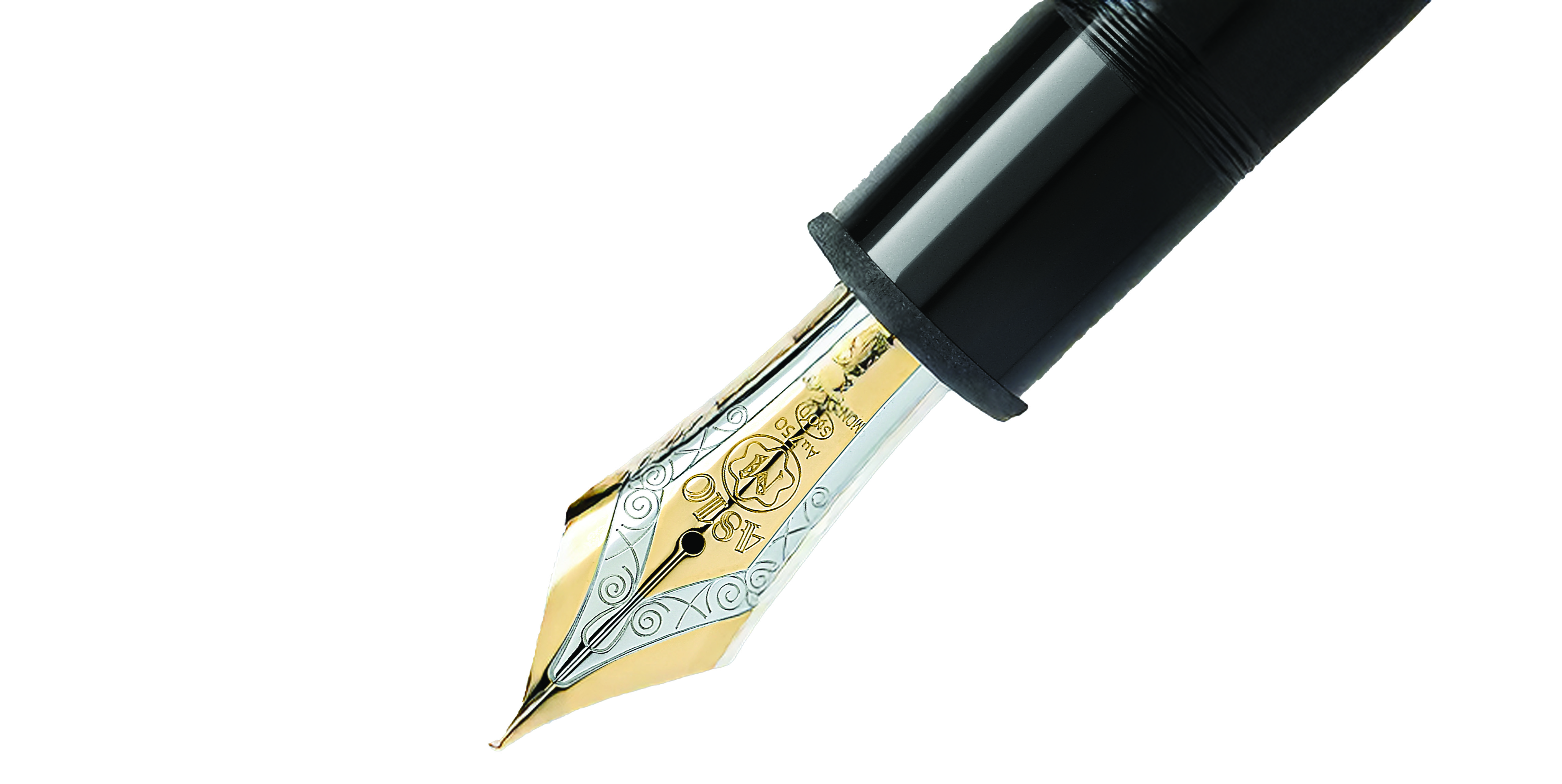
When was it that you last picked up a pen to make an entry in your journal? If you’re a writer, I’m sure even the thought of physically writing your next masterpiece weirds you out. As Wes Anderson’s short film (which came out earlier this year) about Montblanc’s Meisterstück fountain pen (for its 100th anniversary) closes, the three characters set about writing something in their respective notepads. They choose a journal entry, a letter and a novel.
It’s not just the typical suspension in time that Anderson’s films demand of the viewer, since the characters are essentially in 2024. It’s about nostalgia. And the Asteroid City director is a bona fide purveyor of nostalgia who frequently sprinkles inordinate helpings of fondness for the past throughout his sets and scripts. Rotary phones, old transistors and gramophones, art deco furniture and vintage furnishings appear frequently in his films, which often pluck out vivid sections from chapters of history that we consider mundane.
Of course, Anderson had the choice to take the usual route and go back to the 1930s to tell the story of a master artisan at the maison. Obsessed with their job, our protagonist would have been seen struggling with an odd obsession—conducting five or seven or eight handwriting checks on every Meisterstück that went out. And yet, all that Anderson needed was three mountaineers nerding out over what’s possibly the most prized object in their cabinet of curiosities.
Rupert Friend and Jason Schwartzman form the supporting cast in the zany commercial fronted by the director himself. They’re stationed at the imaginary Montblanc headquarters at the 4,810-metre-high summit of the eponymous mountain, in a cosy little wood hut. It’s almost like watching a screen-diorama version of one of his films. With typical Andersonian childlike fascination, the three characters talk over each other, apprising the viewer of the pen’s various merits and debating which of the three slogans works best for the Meisterstück: ‘Leave your mark’, ‘Make your mark’ and ‘Inspire writing’.
Anderson enthusiasts will easily spot the distinctly and whimsically European screen and set aesthetics that the director of The Grand Budapest Hotel, The French Dispatch and The Royal Tenenbaums brings to the mise en scene. He leaves no stone unturned to capture the distinctly alpine appeal of the brand and the fond intrepid spirit of mountaineering that defined adventure throughout most of the 19th century.
And despite Anderson designing his own fountain pen—the Schreiberling, which he shows off in the campaign—for Montblanc (on the sidelines of filming it), the Meisterstück is the quintessential Wes Anderson hero. Launched one hundred years ago at the behest of clientele looking for a superior quality “Sunday” pen (meaning it was not to be used every day), it had been in the works as a special instrument being designed by craftsmen at Montblanc. Now back to its cigar form, the fountain pen has had quite a history, going through a number of design changes (including skeletonisation).
But 100 years on, the Meisterstück has demonstrated that sentimentalism hasn’t outlasted the modernity of its design. Even when it first appeared, the pen exhibited the quintessential German predisposition for functional design and innovation. A retractable nib to prevent the ink from leaking elevated it to the status of a futuristic writing instrument that would be a collector’s dream. It’s this fascination with mechanical sophistication and tactile engineering feats that characters from Anderson’s own world, too, often embody.
All I’m saying is, handwriting may be a romantic notion. But it isn’t just about that. It’s about nostalgia, which is always in business.