The Collector’s Eye: A Beginner’s Guide to Collecting Art
Three collectors on instinct, investment, and why art is never just an object
There's no such thing as the right time to start collecting art.
A well-chosen art collection is no doubt a work of art in itself. It has integrity and often captures the pulse of an era. So, for anyone looking to step in for the first time into the world of art collecting can find themselves intimidated and worse clueless. 'Where do you begin?',' What do you look for?'and ' how do you know what's worth living with?'are questions every beginner inevitably asks.
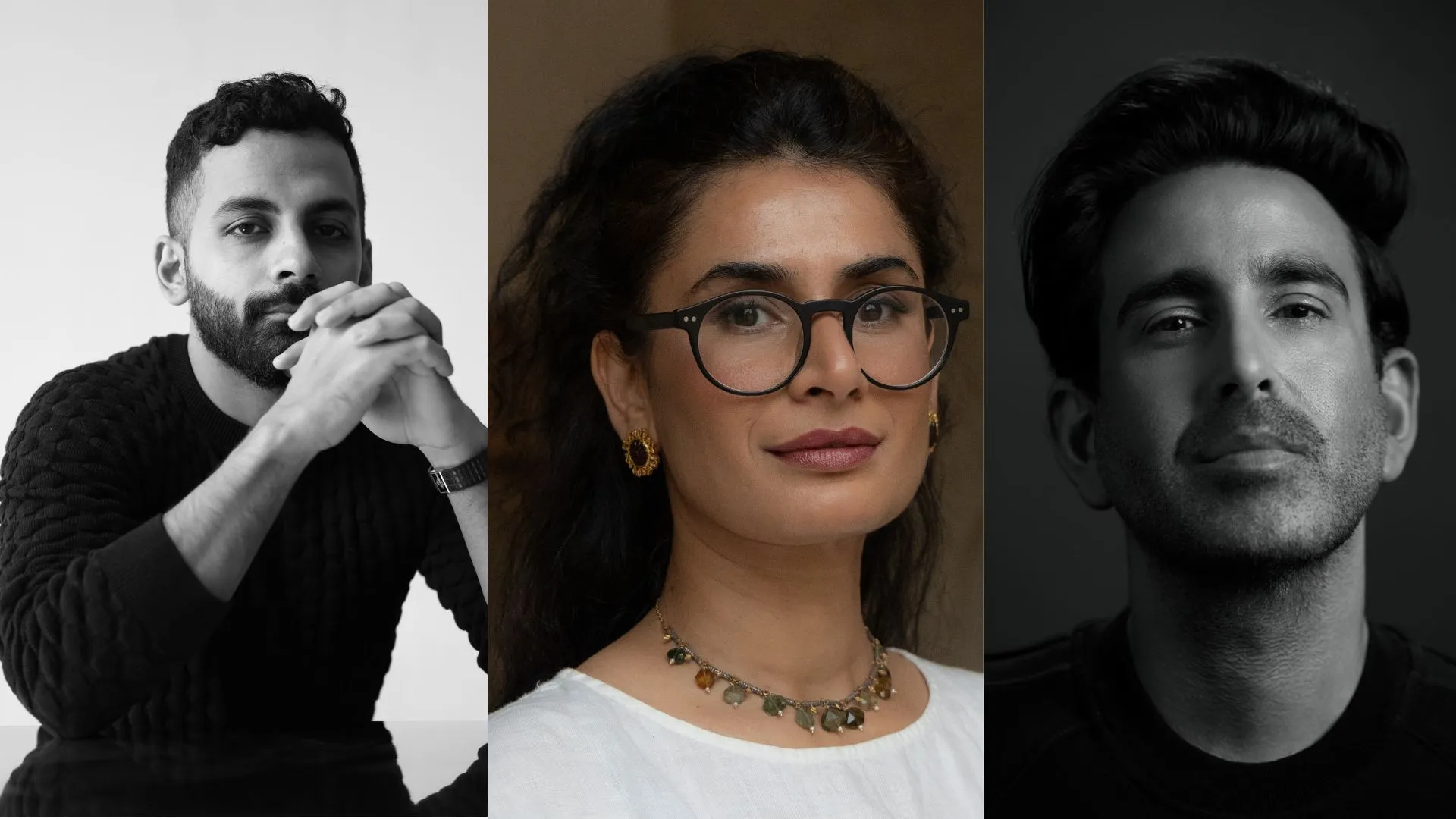
To demystify it, we spoke to three collectors Siddharth Somaiya who is a passionate supporter of emerging artists and Chairman, Board of Studies, Dr. Shantilal K. Somaiya School of Art; Anica Mann, the Director of The Method Gallery, Delhi, and Indo-Kuwaiti designer Tahir Sultan about how to begin curating a personal art collection, what to look for and why the best collections require passion and patience.
How to develop an eye for art?
Somaiya:
The only real way is to look at a lot of art. Museums, galleries, biennales, art fairs, books. Every encounter helps build visual literacy.But developing an eye is not just about exposure. It is also about reflection. Ask yourself why a particular work stays with you. What questions does it raise? What ideas does it open up?
Over time, your eye becomes less about recognising what the market calls “good,” and more about understanding what feels meaningful and necessary. That clarity is what eventually shapes a thoughtful and enduring “eye”.
Mann:
Go beyond the trends of collecting art and define your taste. Early on while collecting I put some exciting ground rules for myself. Look for the women artists, look at the art that isn't pretty, find art that makes you cry, what are the conversations around identity, look for art that is moulding its own style that isn't deeply reductive or a reproduction of other practices. Search for authenticity.
Sultan:
It’s a journey, art is subjective, you may hate what i love and vice versa, the more one educates ones self through museums galleries and exhibitions , the more likely they are to cultivate a strong sense of that which they are drawn to and resonate with.
Why do you collect?
Somaiya:
For me, collecting is less about possessing objects and more about nurturing voices. It is about standing alongside artists in the fragile moments of their journeys, especially in the early years of a practice, when belief and support can mean the difference between being an artist and not.
My collection has grown gradually over the years. I wouldn’t describe it in terms of size so much, but in terms of the relationships it has allowed me to build with our Indian artists I have the pleasure of knowing. Today, what I value the most is that whenever I visit a city in India and many times even abroad there is often an artist’s studio I can step into and have a chai with them.
Mann:
Collecting contemporary artist means so much more than just a purchase. It means supporting an artist practice, identifying with the issues of our times, it means building an art collection that is resonant of the person I am. To be surrounded by art is a profound way to live for people, families and children. I have slowly and carefully bought pieces from exhibitions in galleries across the past 15 years. The works I collect has a lot of women and queer artists. I find art and the politics it documents fascinating. I love woodcuts and soft sculpture. Collecting art is a temptation I often have to resist.
Sultan:
I collect artists which are unusual and whose pieces catch my eye. I am fortunate to have purchased great pieces early on from certain artists.
Do you remember the first artwork you bought?
Somaiya:
The first piece I ever bought was when I was 12 years old during a family holiday in New York City. At the time, I was fascinated by street art and completely drawn to the work of a street artist named Justin Bua. I knew of him because he had created the artwork for the CD cover of a video game I played obsessively, NBA Street. I tracked him down and bought one of his limited-edition prints. I only intended to buy one, but my grandfather insisted I buy a few more, which in hindsight was the true beginning of my journey.
Mann:
The first prints I acquired were of the Kailasa Temple, the rock cut caves of Elephanta Caves, and a nineteenth century view titled “Hindoo Temple in Midnapur” from Midnapore. Even then, what fascinated me was how these places had been seen and documented by earlier travellers and artists. Those prints became the beginning of a small but meaningful habit: collecting fragments of how India has been visually imagined across time.
Sultan:
Yes, it is by a famous Iraqi modernest Dia Azawi. I thought it was a very powerful piece of work and loved it. My father and aunt started one of the first galleries in the Gulf, The Sultan Gallery. It played a seminal part in bringing Warhol to Kuwait and is even mentioned in his Diaries. We have a large modernist Arab, and Indian collection, so having grown up around art i just gravitate and buy what I like.
What’s the biggest misconception about collecting art, and what advice would you give a first-time buyer today?
Somaiya:
The biggest misconception is that the act of collecting is what matters most. In reality, collecting is an outcome and not a goal in itself. The most meaningful collections often begin with modest works bought because someone felt a genuine connection to them.
To start, I’d say I’m still a young collector myself, so I’m often the one seeking advice. That said, with my limited experience, if someone wants to approach “collecting” in its traditional sense, one thing I’ve come to realize is this: collect in a way that, if the artist you’ve supported ever has a retrospective, museums should hound you to borrow the works. Focus on acquiring pieces that are pivotal to an artist’s journey, whether through subject matter, transformative shifts in their practice, or sheer scale. Basically buy works so important to an artists’ journey, that your “collection” cannot be ignored.
Mann:
A lot of people believe 'Art is not approachable and affordable'. Its true that art can be layered, nuanced, and even abstracted, but each piece is generally accompanied by a person taking care of the piece either in the gallery or the museum. Just asking " what is this piece about" can unravel the fascinating universe of the artist.
In terms of collecting art, galleries and other commercial institutions most often have a vast inventory of works suiting all budgets, themes and mediums. One can always specify the budget and the type of art you're looking for besides what may be on display. One can even work with art advisors who can guide new buyers in understanding their options. Payments can happen in installments to suits the comfort of the collectors. All these things open up with conversation in art spaces.
Sultan:
A lot of people buy art to give them a social gravitas of sorts. So that others recognise how much they have spent when they walk into their homes. They don’t buy art because they love art and the voice the artist lends to the piece. A lot of the work purchased is by posthumous artists, where as there are so many great young artists out there one can support, whose careers lie ahead of them, and you can be part of that journey.
My advice is follow your passion, buy what you love because you have to live with it, who cares what others think. If you train your eye you will end up with great early works from artists whose work you had an affinity with.
What are some common mistakes new collectors should avoid?
Somaiya:
One common mistake is buying too quickly without spending enough time looking. The best thing a new collector can do is visit studios, exhibitions, and museums and simply observe. I also wouldn’t recommend trying to construct a highly defined thematic collection at the very beginning. Themes tend to emerge naturally over time as your interests deepen. A collection should evolve alongside your own understanding of art.
Mann:
What you collect is ultimately a reflection of your taste. The best way to develop that instinct is simply by looking at a lot of art before deciding what truly resonates with you. Visit galleries, museums, and exhibitions. Spend time with works rather than rushing into purchases. Reading about the work is equally important. Gallery research, curatorial essays, and artist statements often reveal the ideas, histories. Documentation is another essential aspect of collecting. Always keep the paperwork that accompanies an artwork and file it carefully when you receive the piece. Finally, caring for the artwork matters just as much as acquiring it. Avoid hanging artworks directly under an air conditioner or in places with fluctuating temperature and humidity, as this can damage the work over time. A good collection is not only thoughtfully built but also carefully preserved.
Sultan:
Any one who starts out building a thematic collection, is clearly looking to sell it. Most established. Collectors have a connection to the pieces they buy, they love them, they view collecting as a journey one where they get to express themselves, as they grow and explore different facets of themselves their collections change.
Lastly, one practical way for aspiring collectors to discover new artists today
Somaiya:
One of the most meaningful ways to discover new artists is simply to spend time with them. Young artists often lack deeply engaged viewers, people willing to listen to the human story behind the work. In today’s world, that story matters more than ever.
Mann:
Follow galleries that are working with emerging artists and start building collections there. Have a few art friends who enjoy looking at art as you, make it a secret society and speak openly about what youve seen and what you like. Find an art advisor who you can consult should you find it hard to navigate making purchases yourself.
Sultan:
Go to art fairs, browse Instagram, befriend collectors , read expand ones knowledge base, explore different sub cultures, India is such a diverse country.