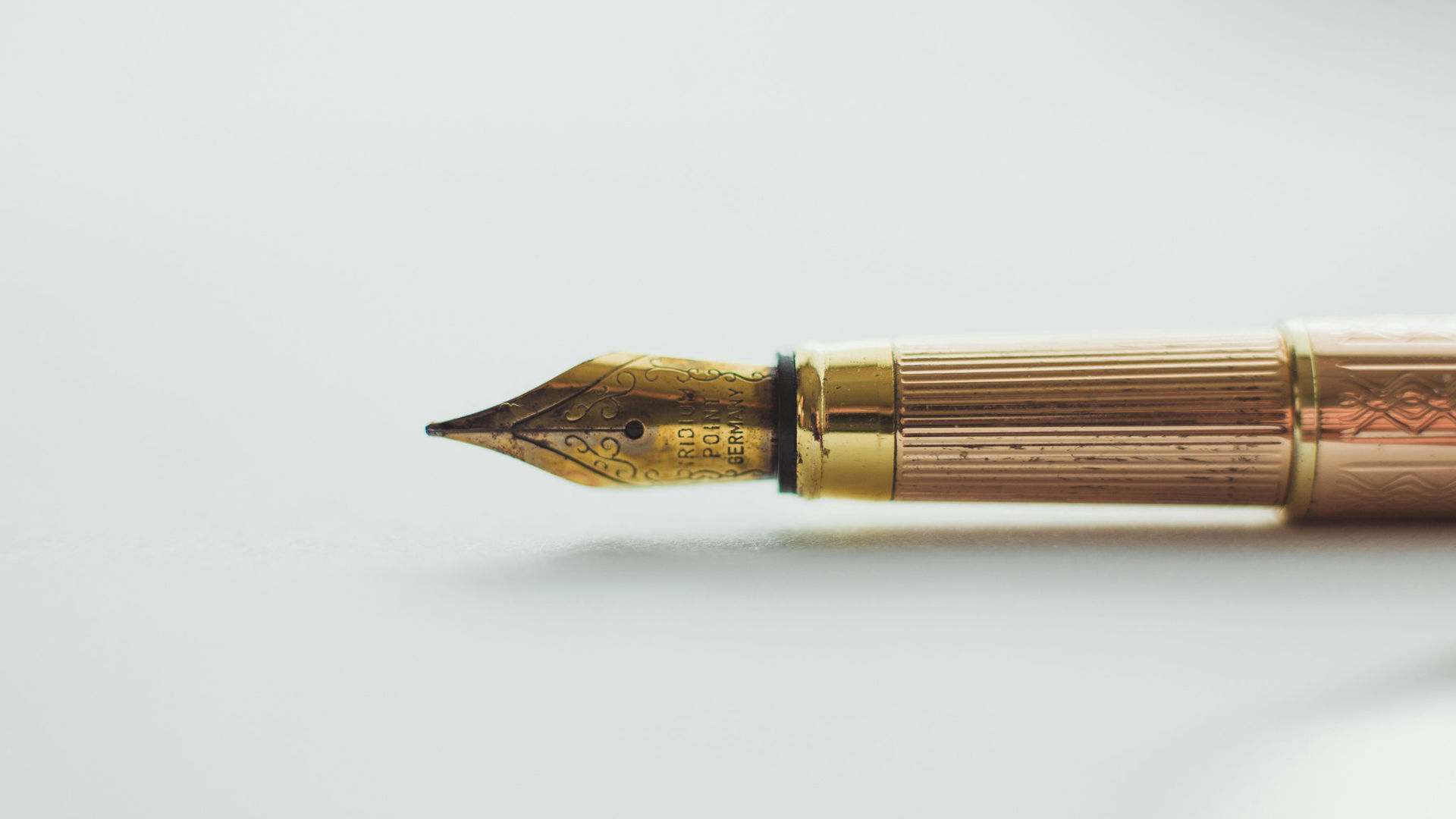
The Beginner’s Guide to Fountain Pens
From Hemingway to Gaiman, many men still swear by the fountain pen
There’s something meditative about writing with a fountain pen today. I hardly see anyone with it. In a world obsessed with Kindles, laptops, iPads, ReMarkables, we’ve forgotten how to slow down. We type. We tap. We send. Writing has become something to get done. And the fountain pen demands that you slow down. You uncap it carefully, feel the weight of it, press the nib to the paper. You’re supposed to maintain it, clean it, safekeep it.
I mean, one might almost ask, why do you even need it today? Well, why does one need books or vinyl record players or a VHR? Why not just throw everything cultural and timeless out of the window and start doomscrolling on Instagram?
No, there’s a reason! Men who write — and men who care about writing — eventually find their way back to a fountain pen. Hemingway had his Montegrappa. Neil Gaiman swore by his fountain pens.
In fact, in an interview with Tim Ferriss, Gaiman actually said he likes to start his writing process with a fountain pen. "Most of the time, not always, I will do my first draft in fountain pen, because I actually enjoy the process of writing with a fountain pen. I like the feeling of fountain pen. I like uncapping it. I like the weight of it in my hand," he said.
Even the most modern of men, those who live by their laptops, feel the pull of that small, elegant contraption.
The first time you use one, it’s clumsy. Your fingers smudge, the ink stains your thumb, and you’ll probably curse it for bleeding through your notebook. But keep at it, and one day, it just flows. Suddenly, your handwriting looks better. Your thoughts do too. There’s a calm to it — the kind that makes you think, “Ah, this is what writing’s supposed to feel like.”
So, if you’ve ever wanted to know where to begin — how to pick one, use one, carry one, and keep it from exploding in your backpack mid-flight — consider this your guide.
Start with the Right One
Every man remembers his first proper pen. And if you’re new to fountain pens, start simple. You don’t need to drop half your rent on a Montblanc Meisterstück just yet. Begin with something that’ll teach you the ritual first without turning you off forever — the Pilot Metropolitan. It’s sturdy, weighty, and writes smoother than most pens three times the price. It also comes with both a cartridge and a converter (so you can graduate to bottled ink later).
If you want something even simpler — the kind you can lose and not mourn — the Platinum Preppy is practically a cult favourite. It costs about as much as a cappuccino. It’s got a “Slip & Seal” cap that keeps it from drying out for months — a godsend if you’re not writing every day.
What matters is getting used to the feel — that gentle resistance between nib and paper. Don’t overthink it. Don’t chase gold nibs or prestige yet. A time will come for that.
The Ink, Importantly
Ink is where the obsession begins. Every bottle has a personality — some wet and smooth, some dry and precise. For beginners, start with Pilot Iroshizuku or Diamine inks. They’re forgiving, easy to clean, and come in beautiful shades.
If you’re using cartridges, fine — but the moment you switch to bottled ink, it’s over. You’ll find yourself buying tiny glass bottles like they’re colognes. You’ll notice undertones — smoky blues, mossy greens, wine reds. You’ll start to care.
Avoid waterproof or archival inks early on. They take longer to dry and demand stricter cleaning routines.
Don’t Forget The Paper Dude
A good pen on bad paper is like whisky in a plastic cup. You’ll survive, but you’ll hate yourself. Fountain pens bleed and feather on cheap printer paper, turning clean lines into fuzzy chaos.
You want paper that’s fountain-pen friendly. That usually means thicker, smoother sheets — something like Tomoe River, Leuchtturm1917, or Rhodia. They’re made for ink to sit on the paper, not soak through it and stain the next page in your diary.
If you must use regular notebooks, go for finer nibs (extra fine or fine). They dispense less ink and keep things tidy. Broad nibs look great on high-quality paper but can be messy everywhere else.
And no, you can’t use it on glossy receipts, washi tape, or photo paper. Fountain pens need friction.
How to Travel With One
This is where most people mess up. Fountain pens and air pressure don’t mix well — which means your 3-hour flight can quickly become an ink explosion.
If you’re flying, either empty the pen before takeoff or fill it completely. The problem is air. When the cabin pressure drops, trapped air expands and forces ink out through the nib.
Keep the pen nib-up while flying, and store it inside a ziplock bag with some tissue — just in case. Don’t uncap it mid-flight unless you enjoy ink stained fingers. Once you’ve landed, give it a few minutes to settle before writing again.
At home, store your pens horizontally when possible. It keeps the ink from drying unevenly. If you must keep them upright, make sure the nib faces up. And always, always keep them in a soft-lined pen case or a desk tray lined with cloth. They’re meant to age gracefully.
Keep It Flowing
Here’s the thing nobody tells you: fountain pens need attention. You can’t ghost them for months and expect them to behave. Ink dries. Nibs clog. And before you know it, your beautiful pen feels like a scratchy stick.
Rinse your pen every few weeks — just water, nothing fancy. Avoid waterproof inks unless you’re ready to clean more often. Think of it like maintaining a bike chain: a little care keeps it smooth forever.
And yes, you’ll eventually run out of ink. Cartridges are easy, but refilling from a bottle is oddly meditative — twist, fill, wipe, done. The process slows you down in the best possible way.