
- Entertainment
- Style
- Lifestyle
- Food & Drinks
- Tech & Auto
- Culture
At Oberoi Gurgaon’s all-day diner, threesixtyone°—a new personalised culinary experience has guests making a beeline. Without a pre-set menu, the diners entrust the chef to surprise them with multiple courses, each prepared live at a dedicated sushi bar.
Welcome to a modern Omakase experience that translates to ‘I’ll leave it up to you” in Japanese. The concept goes back to the many sushi stalls, an integral part of Japan’s culinary culture during the Edo period (1603-1868). Catering to the country’s working population, these joints had no menus—instead, chefs would create magic with the ‘catch of the day’. This practice became the cornerstone of trust between the two parties, giving rise to more iterations of this exclusive yet intimidating experience.
You May Also Like: Who Says Men Don't Drink Wine?
In his book, The Story of Sushi, writer Trevor Corson says, "[Omakase is] what the sophisticated customer says to the chef when settling down at the sushi bar. Sushi connoisseurs seldom order off a menu. Traditionally, sushi bars in Japan didn't even have menus.”
This culinary tête-à-tête with the chef, albeit in a refined format, has trickled down to urban centres in India. With a growing population of discerning diners, Delhi-NCR seems to be a hotspot for Omakase bars and restaurants, each adding a twist to the experience.
While INJA in The Manor focuses on Tandoori Omakase, the award-winning Adrift Kaya in JW Marriott is helmed by celebrated chef David Myers and brings high-quality ingredients from Japan to diners’ tables. On the other hand, the threesixtyone° Omakase experience is an amalgamation of hot and cold Japanese items like sashimi, nigiri, salads, tempura and teppanyaki, concluding with a bite-sized dessert.

Omakase isn’t limited to meals—it extends to bar programmes, giving mixologists the creativity to use lesser-known ingredients and whip up exciting beverages.
At Call Me Ten, an Izakaya-style Japanese dining restaurant in Vasant Vihar, the focus is on storytelling and connection. “Omakase brings an intimacy and exclusivity that resonates with today’s diners, making it an exciting and evolving trend in the city,” shares co-founder Angadh Singh.
You May Also Like: 5 Drinks Every Man Should Know How To Make
Others including 921 in Hotel Diplomat and PCO, one of the original speakeasies in the Capital are also embracing this experimental trend.
One of Delhi’s favourite restaurants, Adrift Kaya sets itself apart with an authentic yet contemporary interpretation of the Japanese Omakase concept. With ‘Gypsy Chef’ Myers at the centre, there’s always much to look forward to. Here, the meal begins with an amuse bouche of Hokkaido scallops, pickled cucumbers, and Seawood Tosazu Jelly. Other highlights from the experience include Otoro (fatty tuna) with pickled wasabi and shiso, Hinoki-scented Black Cod with Den Miso Hajikame, besides melt-in-the-mouth Bluefin tuna, uni (sea urchin) and premium Japanese wagyu. “His (Chef Myers) frequent visits to India, coupled with the new concepts and innovative ideas he brings from his travels around the world, ensure that the restaurant remains dynamic and ever-evolving, offering guests a continually fresh and exciting dining adventure. The presentation, as expected from a world-class Omakase experience, is meticulous, transforming every plate into a visual delight,” highlights Vladimir Villarba, Chef de Cuisine at Adrift Kaya.
Similarly, threesixtyone° has gone all out to offer a sneak peek into the chef’s culinary genius. The Chawanmushi—a hot favourite—has savoury steamed egg custard infused with dashi, enriched with ingredients like salmon or octopus. There’s also Charcoal Aburi Shake, a seared salmon nigiri with a smoky, charred flavour from smoldering charcoal that always leaves diners speechless. The Uni Nigiri, featuring creamy and briny sea urchin and Yaki Otoro, a seared fatty tune paired with sweet-savoury yakiniku sauce presents strong examples of artistry, precision and seasonality.
For those looking to move away from the classic concept of Omakase, INJA is a marriage of Indian and Japanese cuisines. Through tasting menus curated by the chef, the meals offer a window into two cultures at the same time— something that has not been done before. “One of the standout dishes from our 14-course tasting menu is the Aam Papad | Tuna. We use Alphonso mangoes to create an in-house Mango Leather—a process where ripe mango pulp is combined with a sweetener and dehydrated to form a tangy base. This acts as a foundation for the Tuna Roll, where we use Akame, paired with in-house pickled ginger, julienned cucumber, and shiso leaves. The dish is finished with a dollop of Yuzu jelly, adding a refreshing citrusy note that balances the richness of the tuna,” adds Chef Partner at INJA, Adwait Anantwar.
INJA also presents a take on the classic Indian soup, served in a cold format. To prepare the Tamatar Dhaniya Yuzu Shorba | Dashi Tomatoes, the tomatoes are juiced and then combined with a blend of ginger, coriander stems, kombu, and katsu datshi. The mixture is chilled for 48 hours to allow the flavours to deepen, and then strained to form a concentrated, umami-packed shorba. “A touch of Yuzu Juice is added for a hint of citrus, which elevates the soup and adds a Japanese twist. To complete the dish, we blanch tomatoes, peel them, and submerge them in the shorba with additional aromatics for about 24 hours. The result is a soup that is rich, refreshing, and layered with complex flavours, topped with the drizzle of coriander oil to enhance the dish,” says Anantwar. “These dishes are a glimpse into how we elevate traditional Indian and Japanese flavours, offering our guests a dining experience unlike any other.”
You May Also Like: Best Bars In Delhi-NCR For Cocktails And Conversations
Delhi’s Omakase bars match up to the creativity showcased by their culinary counterparts. At Call Me Ten, the idea was always to create more than a bar, says co-founder Karann R Chawla. “Our drinks are designed to be multi-sensory experiences, blending innovative techniques with authentic flavors. Some of our signature creations like ‘Fascination’, with its tropical and clarified notes, and ‘Mango Sticky Rice’, inspired by the beloved dessert, reflect our commitment to pushing boundaries.”
Another experiment that cocktail lovers have given a thumbs up to is ‘The Bathtub’. The natural colour-changing properties of butterfly pea are paired with the refreshing botanical notes of gin, a hint of lime's tanginess, and the floral sweetness of elderflower. Finished with tonic, it’s a refreshing cocktail that surprises with every sip.
Similarly, ‘The Fifth’, a vodka-based drink brings together the sweetness of strawberry vermouth with delicate notes of white tea. The ginger beer is a star addition, with its zesty sparkle.
Another name synonymous with Omakase cocktails is 921 in Delhi’s upscale Chanakyapuri area. Unlike a regular bar with a fixed menu, Omakase allows its mixologists to truly understand the guest’s preferences, mood, and even their curiosity. “This dialogue builds a bond, creating a cocktail experience that feels personal and deeply satisfying,” says Sandeep Bishnoi, founder, NOE and 921. “By trusting our experts, you open the door to unlimited creativity, where exotic and hyper-seasonal ingredients are transformed into unique drinks and dishes. It’s not just about enjoying a cocktail—it’s about engaging in a journey of discovery, surprise, and perfectly tailored indulgence.”
While there’s no end to 921’s experiments, some of the standout drinks are ‘Seabuckthorn’ with bourbon, amaro, Aperol and of course, seabuckthorn. This drink balances bold, bitter and citrusy notes for a complex yet refreshing sip. Another recommendation is ‘Mangoginger’, a layered and sophisticated blend of smoky, sweet, and zesty flavours, including blended whiskey, smoky single malt, citrus, honey and the earthy mango ginger. It is garnished with mustard microgreens for a subtle, peppery finish.
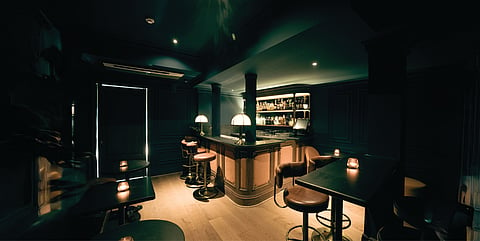
The list of Omakase bars may be growing but there’s something about revisiting old favourites who are attempting to offer new and tailored experiences. PCO is one such—its recently launched ‘The Director’s Room’ is in line with the ethos of the speakeasy. It’s personalised, immersive and as always, a little mysterious. An intimate setup that seats only 12 people, this Omakase-style cocktail experience is a speakeasy within a speakeasy. “Guests come in, share a few preferences, and then trust our mixologists to create drinks tailored to their mood, taste, and spirit of choice. What makes it special are our interactive cues— whether it’s picking a scent, selecting a postcard from a dream destination, or choosing a fruit. Each choice influences the cocktail creation, and no two drinks are ever the same,” says Rakshay Dhariwal, Founder and Managing Director, Pass Code Hospitality.
This is only the beginning because Omakase’s popularity is going to soar further in markets like Delhi-NCR. Why is it so? “The ever-changing menu, driven by the availability of fresh produce, ensures each visit is unique and encourages repeat visits. With small, artfully crafted portions and the chef’s skillful performance on display, the omakase experience combines innovation, artistry, and intimacy to deliver an unparalleled gastronomic journey,” says Robin Batra, Executive Chef at The Oberoi Gurgaon.
Additionally, the demand for premium Japanese cuisine has surged in Delhi-NCR, driven by a growing interest in global food cultures and an appreciation for minimalistic, ingredient-driven cooking. “Japanese cuisine, with its emphasis on purity, technique, and high-quality produce, aligns perfectly with this trend. The Omakase format heightens this appeal by showcasing rare and luxurious ingredients such as sashimi-grade fish, Hokkaido uni, Japanese wagyu, and specialty seasonal produce that discerning diners are increasingly willing to pay for,” points out Villarba.
As Delhi-NCR’s culinary landscape becomes more competitive and dynamic, Omakase offers a way for high-end Japanese establishments to differentiate themselves. By focusing on craftsmanship, storytelling, and seasonality, these restaurants cater to an audience that values exclusivity and authenticity—qualities that are central to the Omakase tradition. “In essence, the rise of Omakase in Delhi-NCR reflects a blend of elevated diner expectations, growing cultural curiosity, and a desire for curated, luxury experiences that make dining an event rather than just a meal,” says Villarba.