

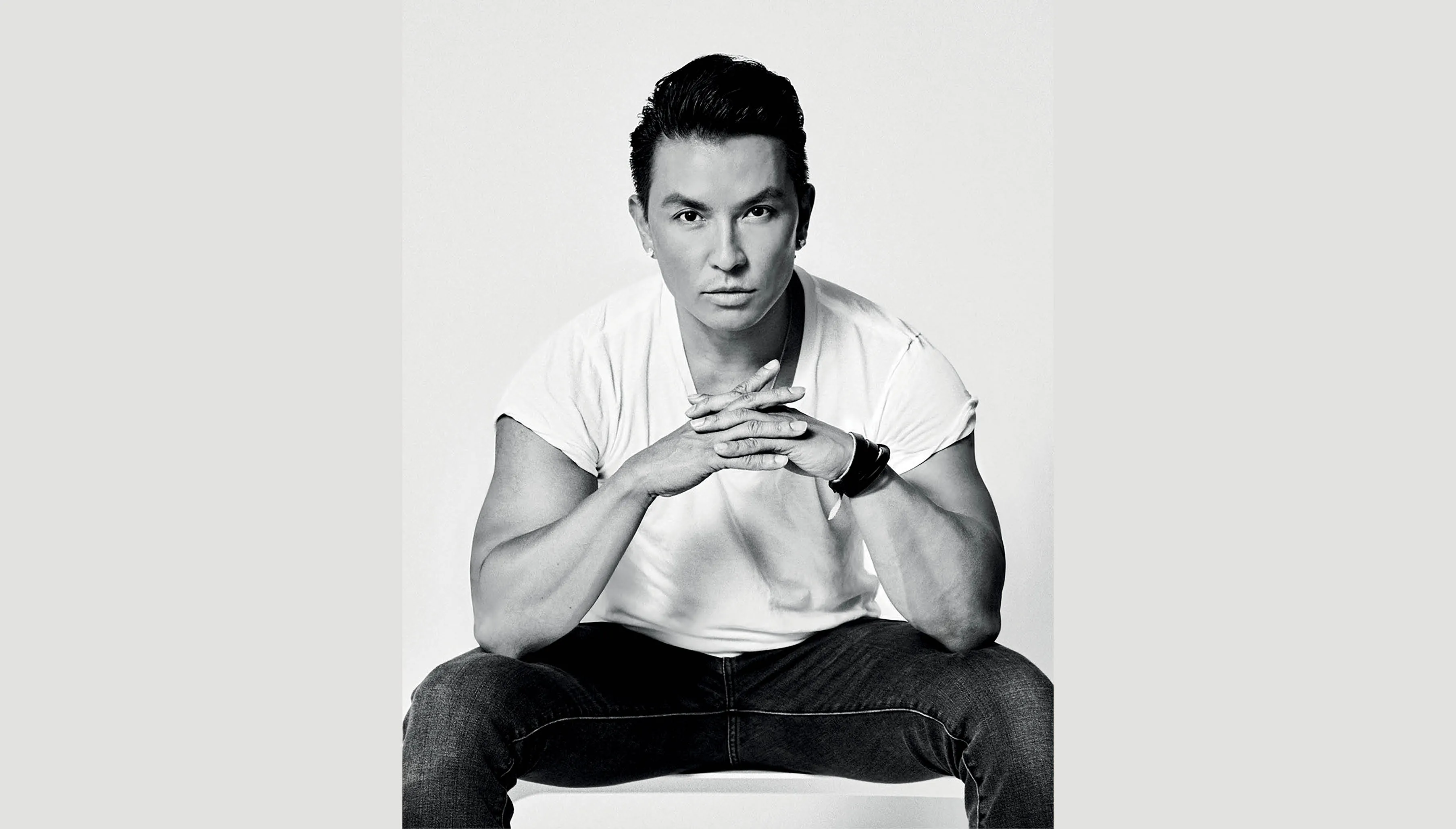
Prabal Gurung on His Book, Identity, and the Woman Who Shaped Him
Designer Prabal Gurung may have ticked every box on his vision board, but his memoir reveals what that success doesn’t show
PRABAL GURUNG HAS DRESSED SOME of the most iconic women in the world—Oprah Winfrey, Michelle Obama, Priyanka Chopra Jonas—but his memoir is really about masculinity.
He called it Walk Like A Girl.
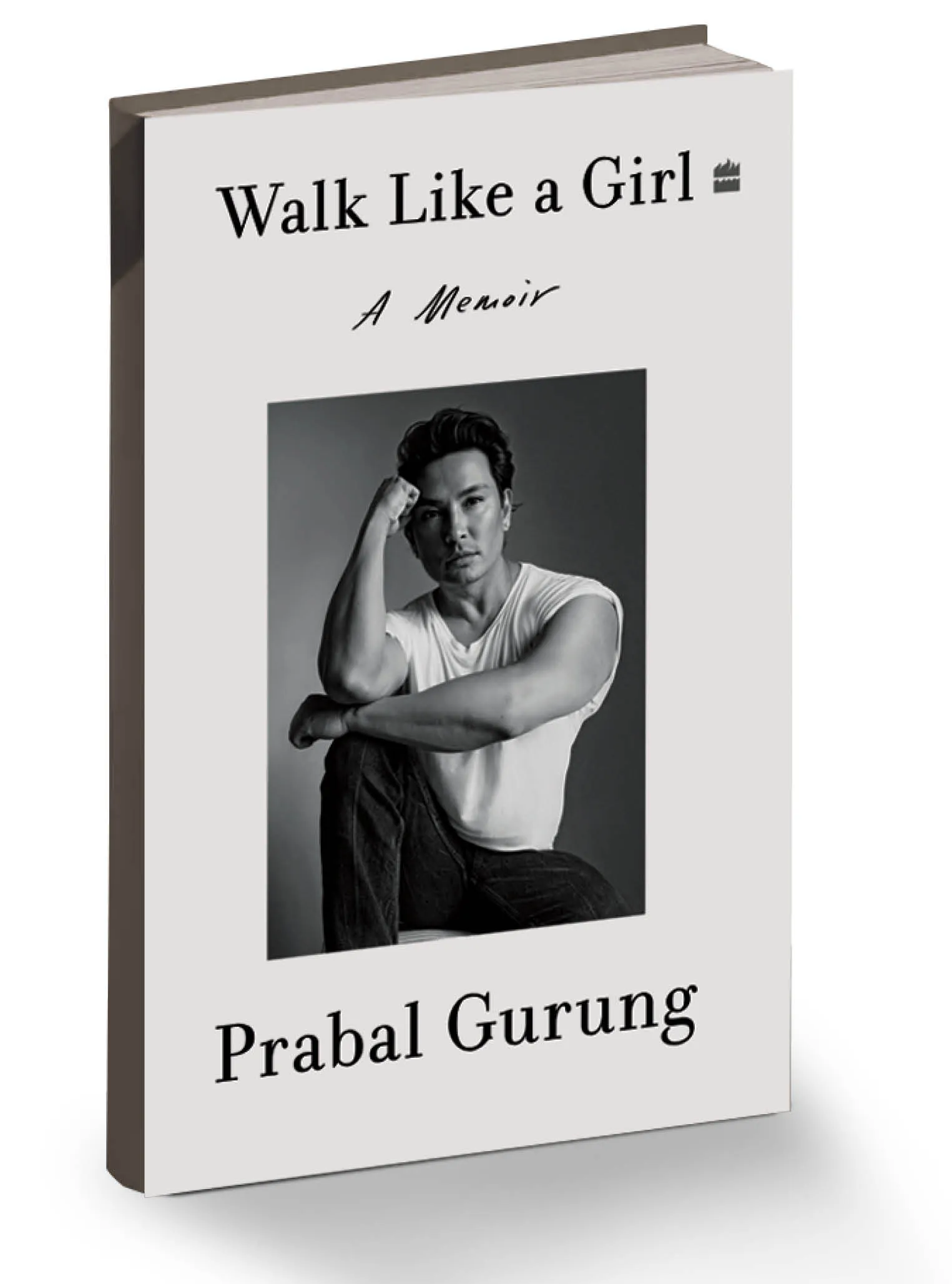
“I wasn’t sure I was going to write a book,” he says with a smile. “But I had this title.” It was a part of his growing up years in
Kathmandu. He remembers as a boy loving to dance. Then one day an aunt sneered at him, wondering why he walked like a girl. “It completely broke my heart.” But over time he decided he would take a phrase that was meant to put him down and use it to lift himself up.
“The world does not need another how to- be-a-successful-designer book. I wanted to write a book that I felt I needed to read when I was a kid.”
Gurung had flown into India to attend the Kolkata Literary Meet. In his pastel suits and tinted glasses, he was a cut apart
from most of the writers in attendance. But unlike many celebrities who are crowd pullers at literary festivals, his book isn’t just a happy-ending fairy tale about The Rise of Prabal Gurung.
You may also like
That’s certainly part of the story. For example, it includes a vision board for his career.
Start a brand. Get in a few stores. Make a growth plan. Dress Oprah. Michelle Obama. Gloria Steinem. Get in Vogue. Apply for CFDA/Vogue Fashion Fund. Win CFDA/ Vogue Fashion Fund. Go to the Met Gala. Become the creative director of Chanel.
Start a foundation.
He has done pretty well on that checklist. But what makes the story interesting, even for those who do not live and breathe
fashion, is he also tells the stories most of us sweep under the rug—about parents who fight bitterly, ugly extramarital affairs, his own broken relationships, a school teacher who rapes him and gets away with it. And he is not afraid to complicate those stories. He admits he found the school teacher attractive, proving he says the “villains are often the people you trust.” His father calls him a sissy for wearing his mother’s sari and stilettos but also buys him paper dolls.
Gurung might have found fame as a man who fits women into beautiful dresses. But the story that stays with the reader is
of someone who never quite fits in anywhere—a girlish boy not at home in an allboys school in Nepal, an Asian man sticking
out in the gay scene in USA and a Nepali designer in the very white boardrooms of high fashion in New York.
“The unbelonging becomes your power eventually,” he says. “I would tell my mother I feel I know my worth. The world
will catch up to it.” His mother is clearly his guiding light. When he asks her why she let him wear his sister’s clothes as a child she simply says, “I would see such joy in your face. I am a mother. How can I deny my child that happiness?”
You may also like
But not everyone believed in his dreams. He remembers a classmate from Nepal, who became an investment banker on Wall
Street, telling him “I just cannot imagine Ralph Lauren, Calvin Klein, Donna Karan…and, um, Prabal Gurung? I just don’t see it happening.” But Gurung believed that the fashion scene in New York was “myopic”. It didn’t tell the story of people like him, immigrants who had come to New York chasing a dream. “I’m an impossible dream that happened, right?” he says. “I wanted to showcase a world of different possibilities.”
That’s why he chose to be out as a gay man unlike many other, more discreet fashion icons. “I wanted to live my life with
abandon,” he says. “I wanted to be fully present.” And if he got mocked as “gaysian” in New York bars, he was used to worse
slurs faced by north-easterners in Delhi. “That was painful but it prepped me for the bigger world.”
However the bigger world is changing dramatically.
In 2017, as Donald Trump took office, Gurung sent models down the runway with T-shirts that read “I am an Immigrant” and “Love is Love”. At the end he ran down the runway in a T-shirt that declared “This Is What a Feminist Looks Like.” He was told to not mix fashion and politics and just stick to making pretty dresses. But he says there’s no denying that the visual medium of a runway show has power. “People can feel seen,” he says. “But it cannot end there. The decision-making tables also have to have people from all walks of life.”
Now the US administration has turned its back on DEI initiatives. Gurung sees its fallout in the fashion industry too. But he
says it just shows that those brands never believed in the cause, they just hid under a “cloak of caring.” Now you can see “who was just performative and who was not.”
You may also like
Also, the very notion of masculinity is also shifting to a more aggressive model that does not care about ideas like empathy.
“It feels almost like a drag show, a caricature of masculinity,” he says with a laugh. Growing up with mythologies involving
goddesses like Durga, his idea of woman power is not about “women in power.” It’s about “feminine-leaning and heart-led
ideas, writing, conversation, sustainability,” an antidote to the mantra that success is only about “absolute brute force.”
These ideas have earned him the moniker of the “most woke man in fashion”. But he wears that label lightly, choosing to
play neither saviour nor victim. But would he dress a Melania Trump or an Usha Vance, I wonder.
“I have never been approached by them,” he says with a smile. “But I know what I stand for. If that resonates with them, that’s great. Otherwise they are welcome to buy at a store like any other customer.” Prabal Gurung walks the talk. Not like a boy. Or a girl. But just like Prabal Gurung.
To read more such stories from Esquire India's April 2026 issue, pick up a copy of the magazine from your nearest newspaper stand or bookstore. Or click here to subscribe to the magazine.