
- Entertainment
- Style
- Lifestyle
- Food & Drinks
- Tech & Auto
- Culture
AI generated summary, newsroom reviewed
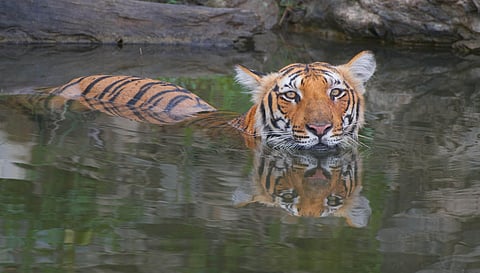
Boys’ trips today are trading vodka-fuelled fantasies for something far wilder: the primal thrill of locking eyes with a tiger, brothers in arms. Psychology explains the trend shift: men bond best ‘shoulder to shoulder’ through shared experiences, rather than ‘face to face’.
“Safaris create shared silence very naturally. You can spend four or five hours in a jeep without forcing conversation, and still come back feeling much closer as a group,” says Sanjay Nair, Founder of Safari Lab, a boutique wildlife travel company.
The childlike excitement of tracking tigers, waiting for a leopard to emerge, and comparing notes over a bonfire later that night is priceless. Men, if your group chat is itching for a getaway, here’s where to take the pack and what to expect.
“Prior to the pandemic, most wildlife trips were booked by families, older travellers or serious photographers,” shares Nair. Since then, his company has seen a sharp rise in male friend groups choosing places like Tadoba and Kabini over nightlife-heavy destinations.
A wildlife getaway cuts right through urban overstimulation. “You wake up early, sit in silence for hours, track wildlife, and watch the scenery evolve. There’s something very grounding about that rhythm,” he adds.
It helps that this generation travels more than any before it. Nearly 60% of Gen Z and 55% millennials took two or more trips of five nights or longer in 2025, according to Simon-Kucher's 2026 Global Travel Trends report. For them, wellness-focused holidays built around nature, fitness, and mindfulness define premium getaways.
Make a pre-safari stop with your boys at the Kanha Museum – to get a pulse of the jungle’s ecosystem. We recommend two to three safaris to maximise tiger, leopard, and sloth sightings; follow it up with a breezy hike to the Sunset View Point.
Shiladitya Mukhopadhyay, an avid trekker and Biology Educator, frequently heads into the wild with his mates. For him, the best brotherhood moments lie between jungle sunrises, Great Hornbill calls, and the untamed drama of the wild. Recently back from a boys trip at Bhutan’s Manas National Park, he recommends travellers to start with India’s Kanha and Bandhavgarh for an experience at par.
Head to Bandhavgarh National Park – home to one of the world’s highest densities of the Royal Bengal Tiger – for day (and night) safaris, hiking trails to the ancient Bandhavgarh Fort, and exploring the Bandhavgarh Ancient Caves – a cluster of over 81 rock-cut shelters.
“I’ve been to Africa and seen the Big Five…but witnessing Asiatic lions in Gir National Park felt special because it’s the only place in the world where they exist in the wild,” says Nihhar Shah, a Destination Specialist at Goway Travel, who visited Gir with his friends in 2020. Talking about core memories nurtured in the wild, he explains, “even though Gujarat is a dry state, the atmosphere, laughter, and late-night conversations made us feel intoxicated enough in the best possible way.”
Spanning the Tadoba National Park and Andhari Wildlife Sanctuary, this reserve boasts a thriving population of Royal Bengal Tigers, leopards, sloth bears, and dholes. Marsh crocodiles lurking beneath the perennial Tadoba Lake fuel the raw jungle appeal. Curated bush dining, plunge pool glamping, and drinks at multi-level sundecks elevate the trip further.
Go ape with your boys at Hollongapar Gibbon Sanctuary – home to the only ape species found in India. The sanctuary is located 25 km from the tea estate and culture-laden Jorhat – 2026’s topmost trending destination, recording a 493 percent increase in tourism interest, according to a report by Skyscanner.
Just about 176 km from Jaipur, Ranthambore guarantees a heady mix of adventure, stargazing, and culinary gems. The 392 sq km park houses Bengal Tigers, leopards, and sloth bears amid ancient ruins.
Pick from luxe resorts that entice with pool villas, bonfire nights, and machaan dining inspired by royal hunting watchtowers. Save your appetite for Rajasthan’s Laal Maas, the GI-tagged Ker Sangri, and Safed Maas.
Brace yourselves for crisp air, big mountain scenery, remote villages, and the elusive snow leopard at Hemis National Park. For the best access to the trans-Himalayan terrain, consider Shang Sumdo, Chilling, and Leh as the bases.
As India’s safari economy gathers momentum, the modern boys’ trip is evolving alongside it – trading beach clubs and bottle service for tiger trails. The India safari tourism market is projected to grow from USD 2.8 billion in 2025 to USD 5.3 billion by 2035, according to an India Safari Tourism Market Trends report.
