- Entertainment
- Style
- Lifestyle
- Food & Drinks
- Tech & Auto
- Culture
There is a formula now. You know it even if you've never written it down. A carousel that opens on a beach at golden hour, cuts to a bikini shot on the bow of someone's borrowed boat, moves through an outfit check outside a villa, pauses for a seafood platter shot at sunset, and closes on a blurry, backlit frame of you dancing at a beach club somewhere between Ibiza and Bali. Six slides. One story. Everyone lives the same life this year, apparently, and it's an extremely good one.
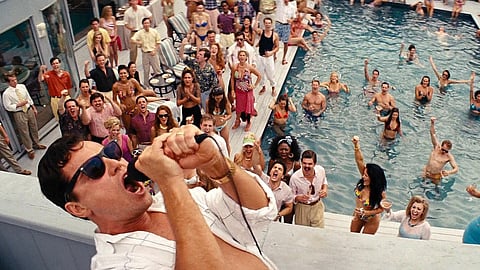
The strange part isn't that people are doing this. It's that almost everyone is doing this, on some budget or another, with some level of financial sense or none at all. The economy-class flight lands, the phone comes out at the beach club door, and by the time the sun sets over someone else's yacht, an entirely different evening has been manufactured for an audience of a few hundred people who will scroll past it in under two seconds. Nobody is lying, exactly. They just aren't showing you the currency conversion, the EMI, or the fact that the "villa" was a four-person split on Airbnb.
None of this is a moral failing. Wanting to look like you're having the best summer of your life is a very old, very human impulse. Instagram just gave it a better camera. The trouble starts with what this does collectively, at scale, to everyone watching. When an entire feed is engineered to look effortlessly expensive, the baseline for "normal" quietly shifts. What used to be an occasional splurge starts to look like a lifestyle everyone else is apparently affording with ease. And the natural response to that is competition.

Scroll for long enough and you'll notice the genre has expanded well past holiday photos. There's the brunch that costs more than a week's groceries, styled like a still life. The airport selfie, boarding pass angled just so. The shopping bags lined up like trophies. The "soft life" vlogs, all slow mornings and slower mornings after that. The skincare fridges. The hotel-robe-and-satin-pyjama photo dumps, captioned with something about healing, rest, or "protecting my peace" words that used to mean something before they became set dressing.
Financial therapists have a term for the anxiety this produces - some call it comparison fatigue, others describe it as a slow erosion of what "enough" even means. Either way, the effect is the same. You start measuring your actual, unfiltered life against everyone else's highlight reel, and the highlight reel always wins, because it was built to.
Looking rich, it turns out, is not the same as being rich, and increasingly the two have nothing to do with each other except that one is being used to simulate the other.
Underneath the aesthetic is something closer to labor than leisure. Planning the shot, waiting for the light, choosing the outfit that photographs like money. this is work, even when it's dressed up as a holiday. And like most unpaid work performed for an audience, it comes with its own quiet toll: the low hum of never quite feeling caught up, the reflexive comparison every time someone else's carousel drops, the sense that rest itself now needs to be documented to count.
That's the real cost. Not the flight, not the dinner,though that's real too. It's the way an entire generation has learned to treat their own downtime as content to be optimized, and their own financial anxiety as something to be quietly managed off-camera while the performance continues on it.
The more useful question probably isn't how to spot the fakes. It's why so many of us feel we need to compete with a feed we know, on some level, isn't fully real. The villa, the yacht, the sunset - none of it disappears if you stop chasing it. What might actually improve is everything that happens after you put the phone down.