
- Entertainment
- Style
- Lifestyle
- Food & Drinks
- Tech & Auto
- Culture

The belly is democratic. It doesn’t care if you’re a CEO, a college kid, or a guy who’s clocking decent hours at the gym—if your lifestyle’s off, it shows up. You can suck it in for photos, call it “dad bod chic,” or blame it on genetics, but the science is fairly blunt: that spare tyre is more than a cosmetic nuisance. The real issue is visceral fat—the deep, hidden kind that sits around your organs and quietly raises your risk for heart disease, diabetes, and a laundry list of things you don’t want.
The problem is that we’ve been sold the wrong fixes for decades. Hundreds of sit-ups a day? Won’t work. Detox teas? A scam. Fancy ab rollers? Pointless. Spot reduction, the fantasy that you can “burn” fat from a specific body part, is still a myth. The only way the gut shrinks is if the whole body leans out, and that happens when diet, exercise, sleep, and stress management fall into line.
Well, so we all know the real work starts from the kitchen. If you eat more calories than you burn, then do you really expect your belly to shift? Even if you manage 40 reps of kettlebell swings? I’m not saying starve yourself or obsessively count macros, but it does mean learning how to build a grown-up plate.
Protein should be the star of every meal. Not just because it feeds your muscles, but because it keeps you full, blunts cravings, and gives your metabolism a nudge. Around a third of your calories from protein is a solid benchmark, which translates to eggs, fish, chicken, lentils, paneer. Always pair that with soluble fibre—oats, legumes, apples—and you’ll find yourself feeling full for much longer.
Also, for the love of god, carbs aren’t villains, but refined carbs and sugar are. White bread, sweetened drinks, bakery snacks—they spike your blood sugar, jack up insulin, and funnel calories straight to fat storage. The fix isn’t eliminating rice or roti; it’s choosing whole grains and complex carbs that digest slowly.
And then there’s alcohol.
Nothing sabotages a flat stomach like drinking. It’s not just the extra calories; it’s the way your body prioritises burning alcohol first, shoving fat to storage. The occasional pint is fine, but regular bingeing is such a no-no.
If your current idea of training is twenty minutes on a treadmill followed by a couple of lazy crunches, you’re wasting your time. The science in 2025 is clear: the best way to target belly fat is a mix of high-intensity intervals, compound strength moves, and regular cardio.
High-Intensity Interval Training (HIIT) remains one of the most efficient tools we’ve got. Done right, it torches calories during and long after the session ends. But HIIT alone won’t build the muscle you need to keep fat off.
That’s where strength training comes in. Deadlifts, squats, presses, Turkish get-ups—compound lifts that work multiple muscle groups at once create a much higher metabolic demand, engage the core more effectively than crunches ever could, and lay down muscle that quietly burns fat all day.
Don’t give up on the cardio too. Brisk walking, running, swimming, cycling—steady aerobic work helps keep insulin sensitivity sharp and burns additional calories without frying your system.
Sleep And Stress
Most men want to believe belly fat is about diet and exercise alone. It isn’t. Your hormones, dictated by how you sleep and how stressed you are, are equally guilty. Lack of sleep can do a lot more damage to your body than you think. Tired brains crave junk food, and tired bodies hold onto fat. Consistency matters here—same bedtime, same wake-up. Your body will thank you.
Stress is the other invisible driver. Chronically high cortisol doesn’t just make you edgy; it also drives appetite, especially for calorie-dense junk, and cues your body to store fat right in the midsection. That’s why meditation, yoga, even a quiet walk without your phone, isn’t soft wellness fluff, it actually works.
Lower cortisol=lower belly fat. Simple.
Intermittent fasting is still polarising, but the updated research is worth noting. A 2024 paper found that time-restricted eating, when paired with resistance training, led to greater reductions in fat mass than training alone. The idea is simple: eat within a ten-hour window, fast the rest. It’s not magic, but for some, the structure helps manage calories without obsessive counting.
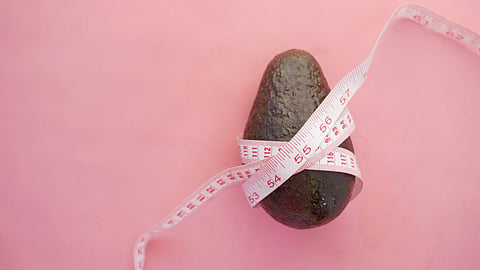
Honestly, just forget the bathroom scale obsession. Weight fluctuates daily, often because of water or glycogen, and it doesn’t tell you if you’re actually losing fat. What matters is waist circumference. Clothes are another underrated metric: if your trousers feel looser, you’re making progress even if the scale barely budges.
Belly fat doesn’t disappear in six weeks. That’s marketing. What works is boring: consistent protein and fibre, compound lifting and intervals, better sleep, stress management, fewer drinks. Do that for six months, and your body will change in ways you never imagined.
But you genuinely have to live like someone who actually respects their body. Cook more meals than you order. Make movement a daily habit, not a chore. Sleep like it’s a meeting you can’t skip. And surround yourself with people who make health the norm rather than the punchline.
It’s not glamorous, and it’s certainly not quick. But it works. And when your stomach finally starts shrinking, it won’t be because of a gimmick—it’ll be because you finally stopped looking for shortcuts and started acting like an adult.