- Entertainment
- Style
- Lifestyle
- Food & Drinks
- Tech & Auto
- Culture
The obvious question is: what took them so long?
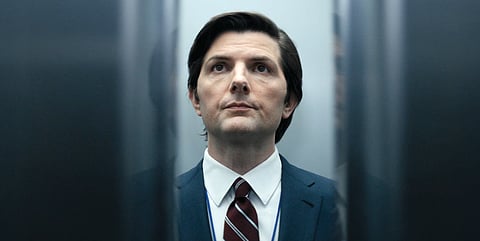
It’s been three years since Severance first dropped on Apple TV Plus and took over our minds, like that of the characters in the show. ‘Innies’, ‘outies’ and all those psychologically-twisted thrills could enthral even the most hard-to-please critics, and that’s exactly what happened after the show’s premiere. We were all obsessed. But what followed was a long wait for season 2, as the show’s creator, Dan Erickson, and director, Ben Stiller, took nearly 30 months to bring it to us. But all’s well that ends well; the show is here and we got chatting with the cast and crew to find out how they’ve gone about making it.
Esquire: What took so long to make season 2 of Severance?
Dan Erickson: The writers and actors strikes were important developments that needed to happen and there were reforms required to take place in the industry. It was tough to come back and ramp things up post-strikes, but to me, it was also a gift, because you always have to consider the landscape, the world that you're releasing the show into, and the fact that people are having these conversations about work and about how we should relate to our employers and how much of ourselves and our time we owe our employers and what they owe us back in return? You know, these are questions that have been asked forever, but they were very much at the forefront during these labour disputes that were going on. So it just adds to the richness of the show, and makes its way into it.
ESQ: Season 2 picks up five months after that cliff-hanger ending and we can’t wait to see what happens next. How’s it been for you, seeing the audience’s overwhelming acceptance of the show
Adam Scott: The show has a unique tone that fortunately, people happily accepted. Before the show went out, we were all in a bubble. I saw Ben Stiller cutting it together and seeing the tone of how it looked and sounded, it felt like something new, and we had no clue whether the audience would adhere to it or not, or for that matter even accept it. It has come as a huge relief for us and is equally gratifying.
ESQ: Playing a character with two separate personalities and identities can’t be easy, is it?
Britt Lower: The term, erm, is recursive. It's like that ad with the woman who has a tin of cocoa and another one of hers holding the same. It is a kind of mirroring within a mirroring effect that I think we all experience when we're playing both sides of the same person. I tried to come to the character with a lot of empathy, for both sides of her, considering that both Helly and Helena are imprisoned in this same culture and the same company, and the best way I can articulate it is that they felt like different music.
ESQ: Do you look at Seth Milchick as a conventional bad guy or just a man doing this job?
Tramell Tillman: He is focused on control, and being the boss at Lumon, he has learnt manipulation and his power and control. At the end of the day, he is just a reflection of the corporate structure, where everyone has a hierarchy, and being at whatever rung of the ladder, they want to go up and have more control.
