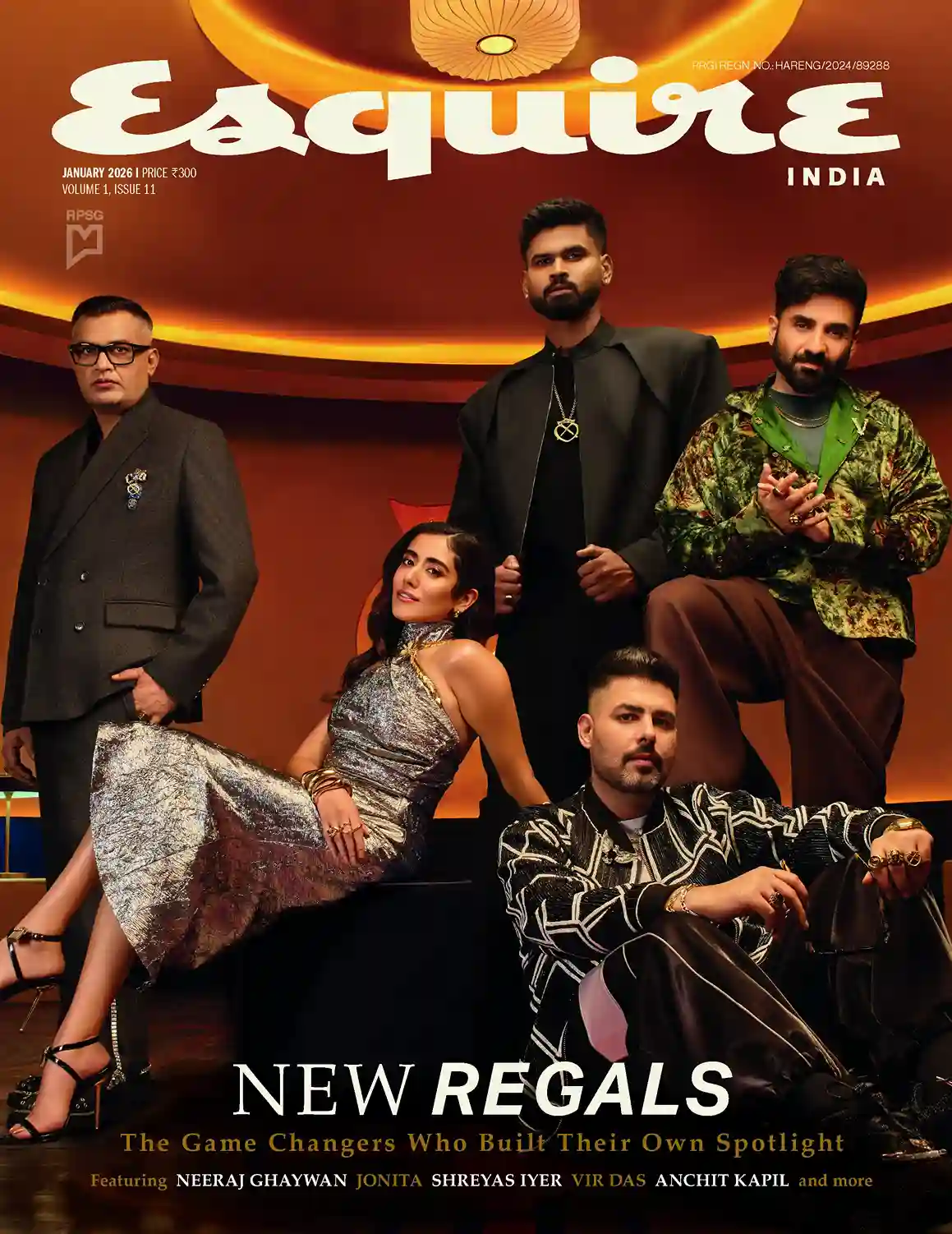


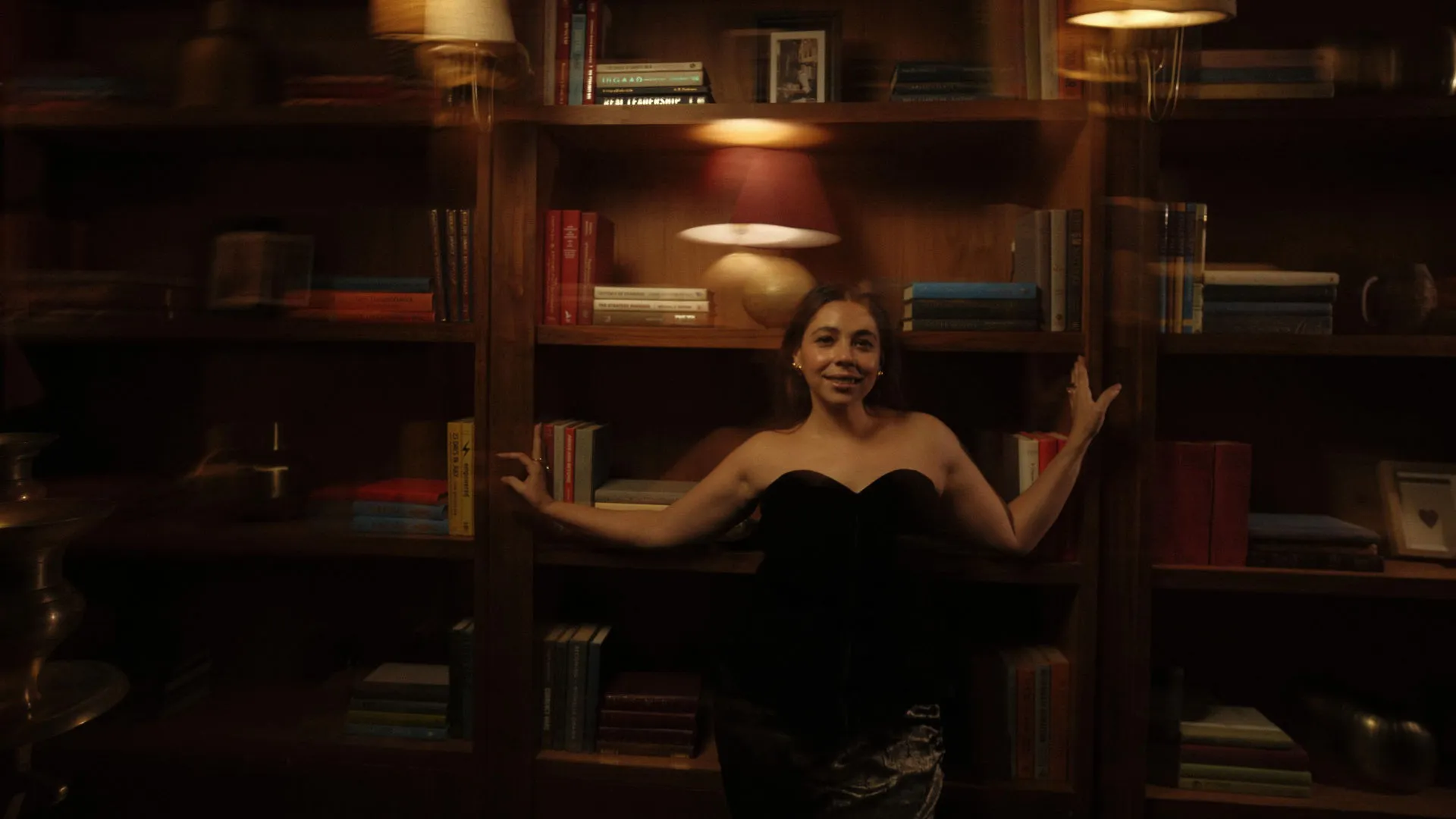
Maanvi Gagroo Isn't Here To Make You Comfortable
The actor reflects on saying goodbye to Siddhi, surviving moral policing, and redefining success on her own terms
Almost a decade. Four seasons.
Four More Shots Please! just wrapped in December 2025, and Maanvi Gagroo—who played the delightfully messy Siddhi Patel across all four seasons—is still processing what it means to close that chapter.
Gagroo has been in this game long enough to know the rules. She started young—Disney Channel's Dhoom Machao Dhoom at 22, then a slow climb through films like PK and No One Killed Jessica before the OTT wave hit and changed everything. TVF's Permanent Roommates and Tripling made her a household name for anyone who'd given up on Bollywood's exhausting maximalism. But Four More Shots was different. It made her a lightning rod. And now, at 40, freshly married to comedian Kumar Varun, and staring down an industry that's cannibalizing itself in real-time—Bollywood eating OTT, OTT eating Bollywood, vertical micro-dramas threatening to devour them both—she's remarkably zen about not knowing what comes next.
Esquire India caught up with Maanvi to talk about saying goodbye to Siddhi, the moral policing that never quite went away, and what success actually looks like when you've spent your entire career being told you're doing it wrong.
Excerpts from a conversation.
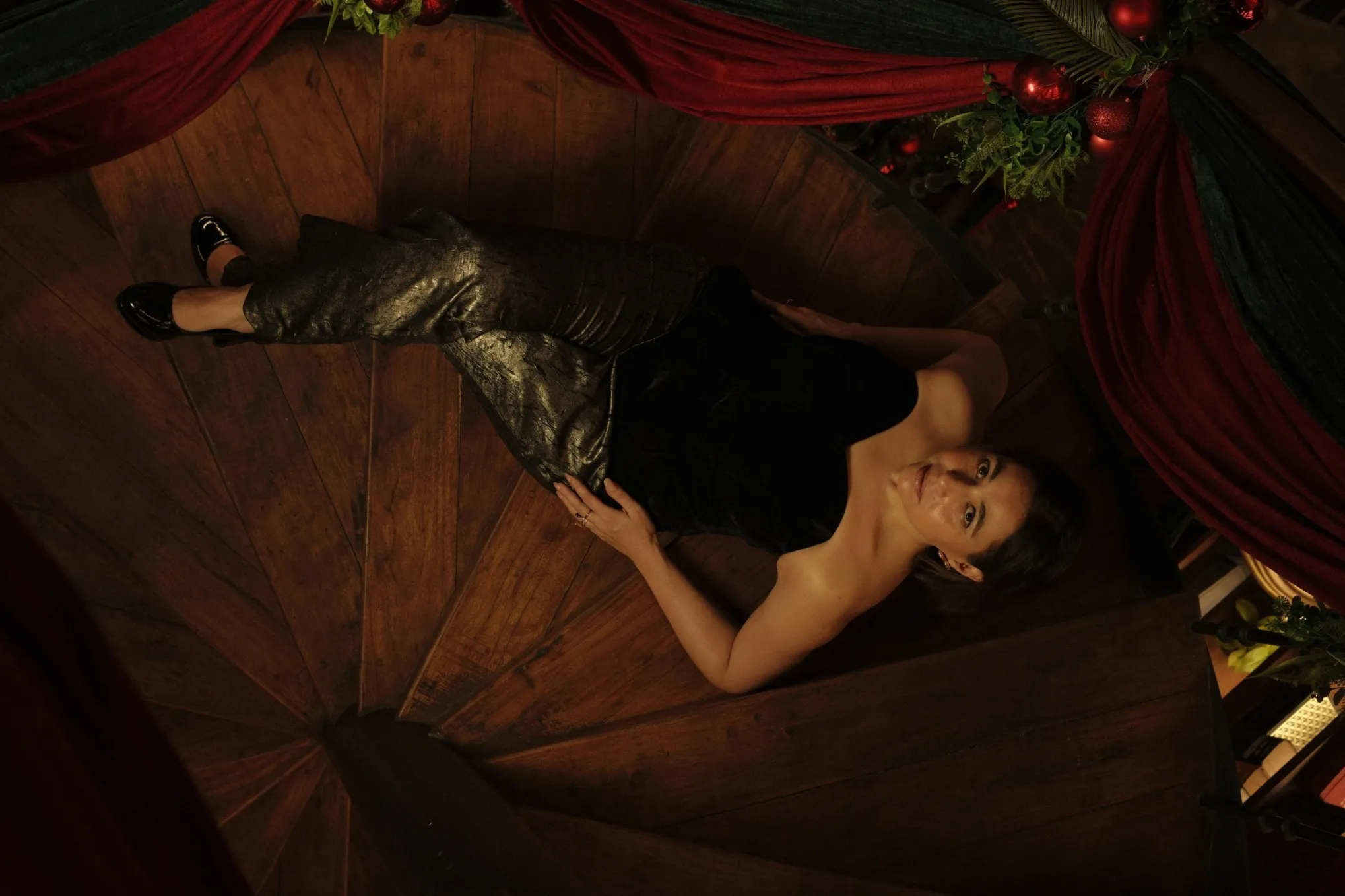
Almost a decade, and now Four More Shots has come to an end. Are you heartbroken or ready to move on? How does it feel?
It feels weird. I don’t know if it’s really sunk in yet. There are moments when it suddenly hits me. I remember when we found out it was the last season—we were actually excited. It was only on the last day of the shoot that it really landed. I remember being on my way to set and thinking, Oh my god, this is the last time I’ll ever play Siddhi. And at the end of the day, we all just started crying. It only took one person to begin and then it was done.
So, it comes to me in waves. But there’s also a sense of celebration. We did four seasons. That’s huge. So it’s a mix. Of letting go, of holding on, and of being grateful.
Four More Shots has always divided audiences. Did you ever feel the need to defend it?
In the first season, yes. I don’t know if “need” is the right word, but I was defending it a lot. I didn’t realise how polarising it would be – some people were just loving it and yet another part that was just dismissing it outright.
By season two and three, we got used to it. I was like, okay—haters gonna hate, potatoes gonna potate. But season one, I was quite vehemently defending it. And even with season four, I was like, I can’t believe we’re still having these conversations.
It’s completely fine if you don’t like the show. Even when I defended it, it was never about, “You have to like it, or you’re a misogynist.” You can dislike it. The problem is when morality comes into it. Especially when people say, “It’s not realistic,” I’m like—yeah, we’re not making a documentary. It’s fiction! It’s okay if you don’t like the show. But lines like “in the name of feminism you’re doing this”—why are we even holding the flag of feminism?
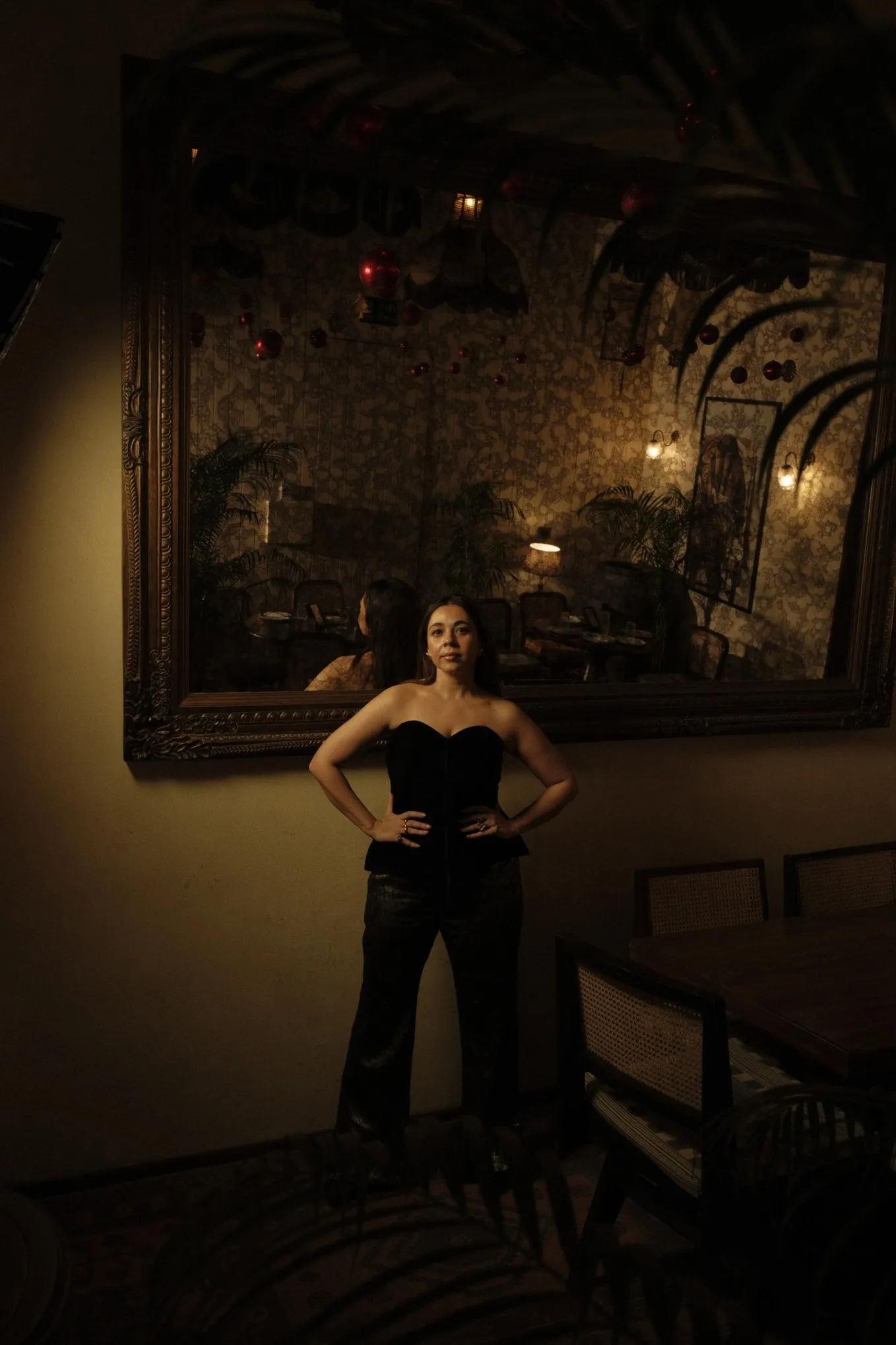
Men get to be messy on screen—women don’t. Was that double standard a friction point for you as you grew alongside Siddhi?
My biggest issue has always been this: why are we judging female characters differently? If you’re applying the same parameters, I’m fine. But the moment morality comes in—good, bad, “should” and “shouldn’t”—women are judged far more harshly.
When people watch a female character, they see “female” first and “character” later. That’s my problem. It’s a character. You can like or dislike her. But why is her femaleness at the centre of your judgement?
At the same time, we got so much love, which was equally surprising. Season two came during the pandemic, and people just devoured it. We didn’t have something like that in India, something warm and relatable, especially at a time when everything felt uncertain.
You’ve been part of OTT since its early days. How do you see the space now? Has it truly come into its own, or does the pull of theatres still dominate?
I think it’s a mix of both. There’s definitely been an OTT boom, especially post-pandemic, but the fixation with theatres and the big screen is still very real. A lot of people come to Bombay dreaming of seeing their name on a massive screen, and that’s understandable.
Personally, I love OTT. It gave actors, writers, directors, technicians—everyone—space to experiment. In the early days, it was completely uncharted territory. No one knew what would work. We were just telling stories we wanted to tell.
When TVF did Permanent Roommates and Tripling, they found a white space. People like us were a bit done with movies, and television didn’t excite us as viewers. There was always this feeling of kya dekhein? So we turned to international shows until the Indian ones started filling that gap.
We grew up on fun, relatable shows, and OTT brought that back. Right now, though, it’s confusing. Bollywood is entering OTT, OTT is entering Bollywood, there are micro-dramas in vertical formats. Honestly, I don’t know where we are. I’m just going with the flow—chalo, dekhenge kya hota hai.
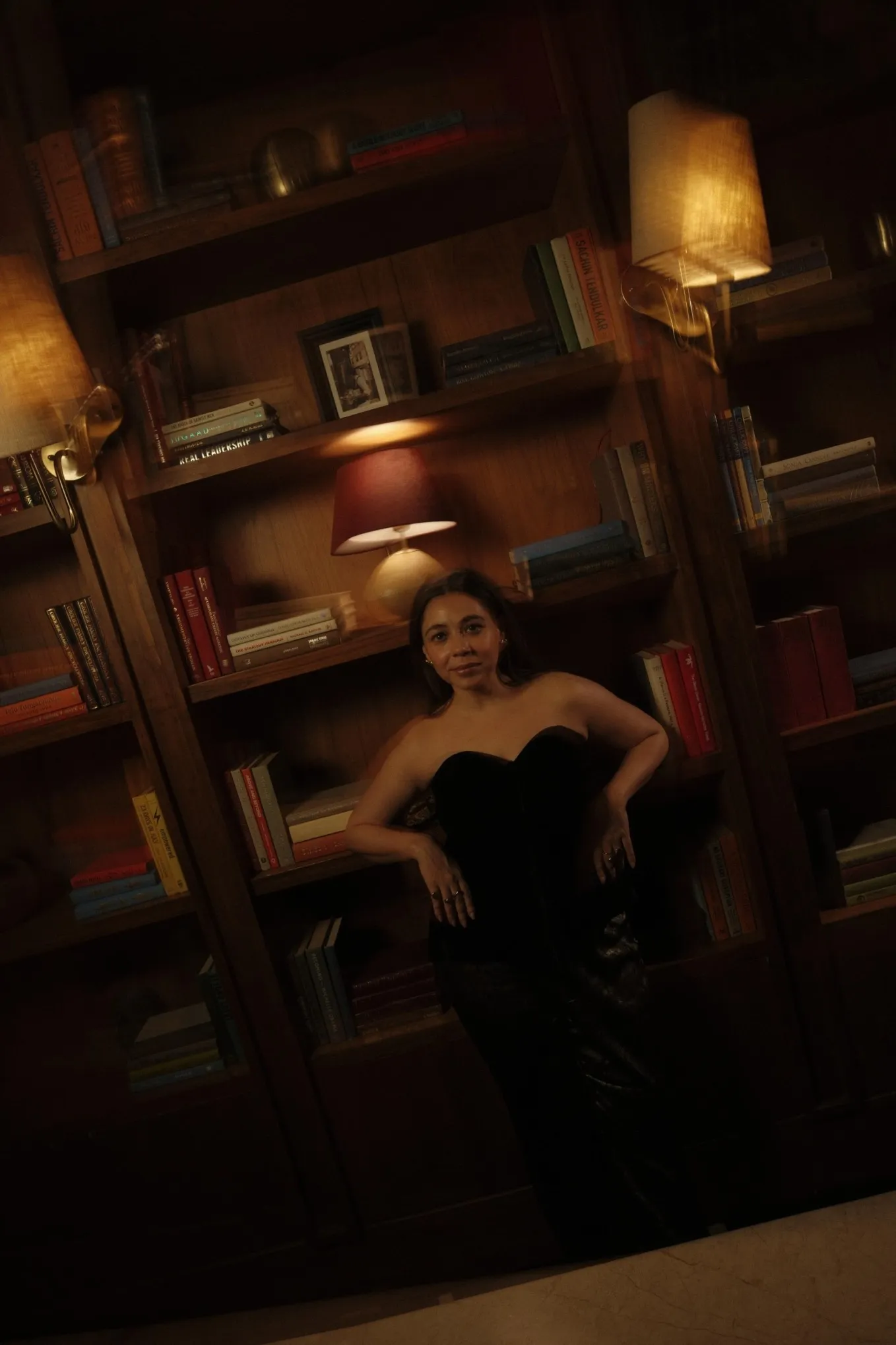
You’ve played the girl-next-door. You’ve been the quirky friend. You’ve been Siddhi. Do you have any favourites along the way?
I really enjoyed playing Shreya in Permanent Roommates. She was the most normal—closest to me as a person. There was no specific quirk about her. I enjoy playing regular characters. I don’t know if it’s easier or harder, but when a character has a very defined quirk, as a performer you sometimes hold on to it like a crutch. A girl who has good days and bad days. She’s nice, but she can also snap at you. She has ups and downs. She’s intelligent, she’s fun. I liked playing Shreya in that respect.
And what about lessons along the way? How has your idea of success changed? What does success look like to you now?
For me, success is choice—the luxury of choosing the kind of work you want to do. Having options, and then being able to say no to something not out of compulsion, but simply because you don’t want to do it. That, to me, is real success. And by that definition, I’m not there yet. I’m still striving.
Something that really shaped me was much earlier in my career, when I did Dhoom Machao Dhoom. We were so young, and it became very successful—and it went straight to my head. I’m actually glad that happened. Because when success came the second time, with Permanent Roommates, Tripling and everything that followed, it didn’t affect me the same way. I knew how to handle it better. The first time around, I genuinely thought I’d “arrived.” I went back to Delhi, I was in college, people recognised me, and I bought into the idea of being a star. It happens when something big hits early. Thankfully, I grew out of it. And I’m grateful I learned that lesson when I did.
So what are you hunting for next?
I want to keep working, of course, but I also want to explore. I want to do things that I genuinely enjoy. I recently heard an actor say that we often forget this business is pretend—we’re essentially playing, like kids playing ghar-ghar. And the reason we started was because we loved it.
So for me, enjoyment is central. And enjoyment doesn’t just mean frivolous fun. It has to stimulate me—mentally, emotionally, or even in a light, playful way. I’m looking for work that excites me, that makes me want to wake up and say, okay, let’s go to set. So I want to work with interesting people, on interesting subjects and ideas.
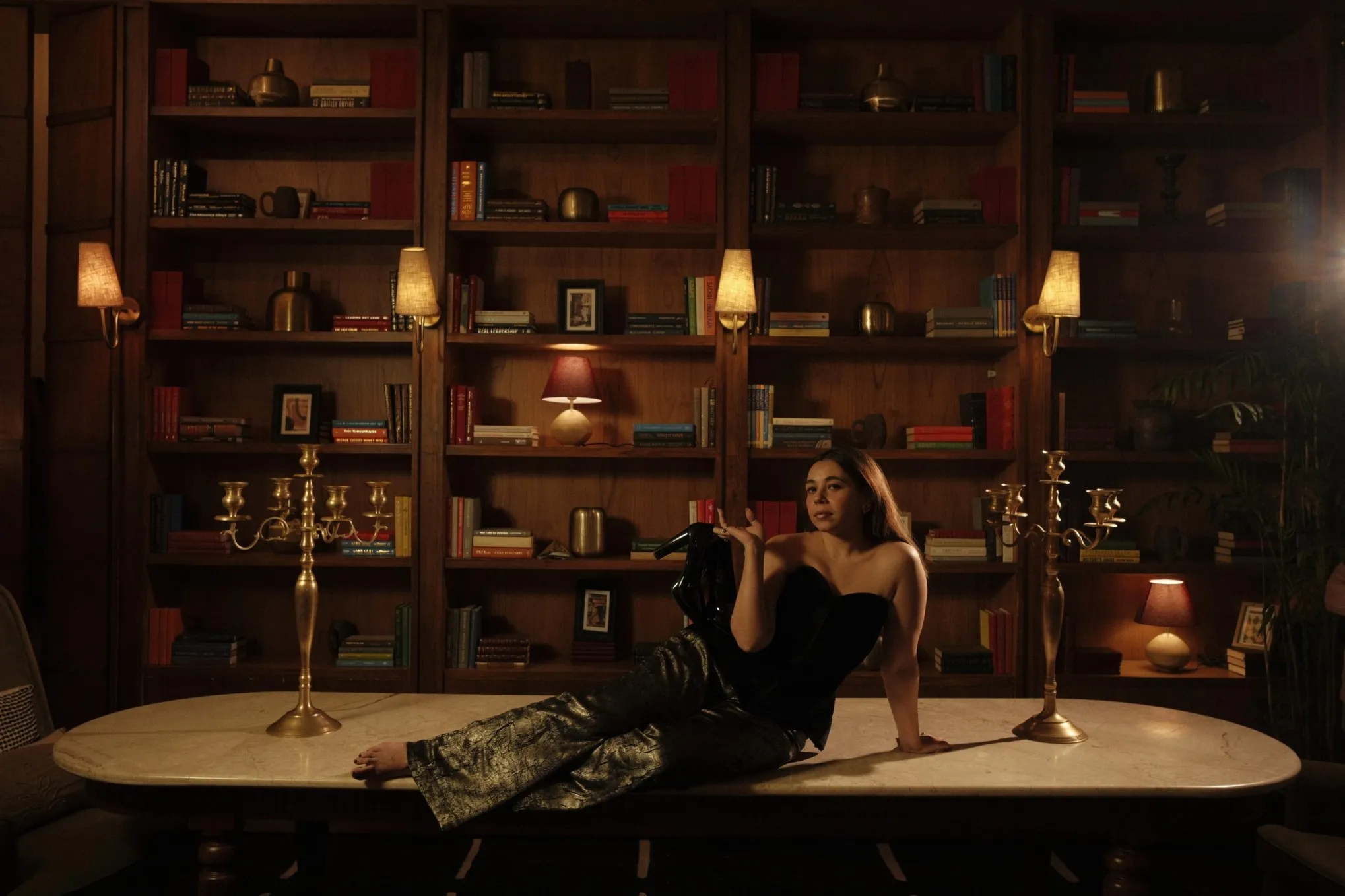
You’ve spoken about how the show changed your relationship with your body. That was such a big part of your journey on Four More Shots. Can you tell me more about that?
Looking back, it’s strange because it all happened very subliminally. It was never a conscious shift. I genuinely thought I was confident in my body. In season one, though, I remember saying, “Give me open necks and halters, but don’t give me shorts.” And then I wore them anyway.
Somewhere along the way, that wardrobe seeped into my real life. I didn’t even notice it. Months after the show ended, Anu—our director from season one—pointed it out. I was wearing a short skirt and she said, “I can’t believe this is the same girl who refused to wear shorts.” And I realised she was right.
The same thing happened with intimate scenes. Initially, I was extremely nervous. I’d never done anything like that before—there were so many questions and fears. By seasons two and three, we were completely at ease. These changes happened subconsciously, and that’s what makes them beautiful. In that sense, I owe a lot to the show.
You’ve spoken about still striving. What advice would you give your younger self—or someone just starting out in the industry?
I’d give two pieces of advice—one professional and one personal.
Professionally, I’d say: take every opportunity you get to be on a set, especially if you’re not from the industry. Acting is one part of it, but being on a set comes with its own learning curve. It can be overwhelming in the beginning—there’s chaos, noise, too many people, and you’re already dealing with your own nerves and self-doubt. The more familiar you are with that environment, the more confident you’ll be when the camera actually rolls. You’re already ten steps ahead.
On a personal level, don’t listen too much to people—and be mindful of your own insecurities. We all carry ideas about beauty and how we look on camera. It’s fine to understand angles and technicalities, but not at the cost of your confidence.
People will always say shit—even to the most beautiful woman in the world. So keep working on yourself, whether that’s your craft, your body, or your life. Get experiences. Live fully. You need to fill your own cup before you can pour anything into your characters.